
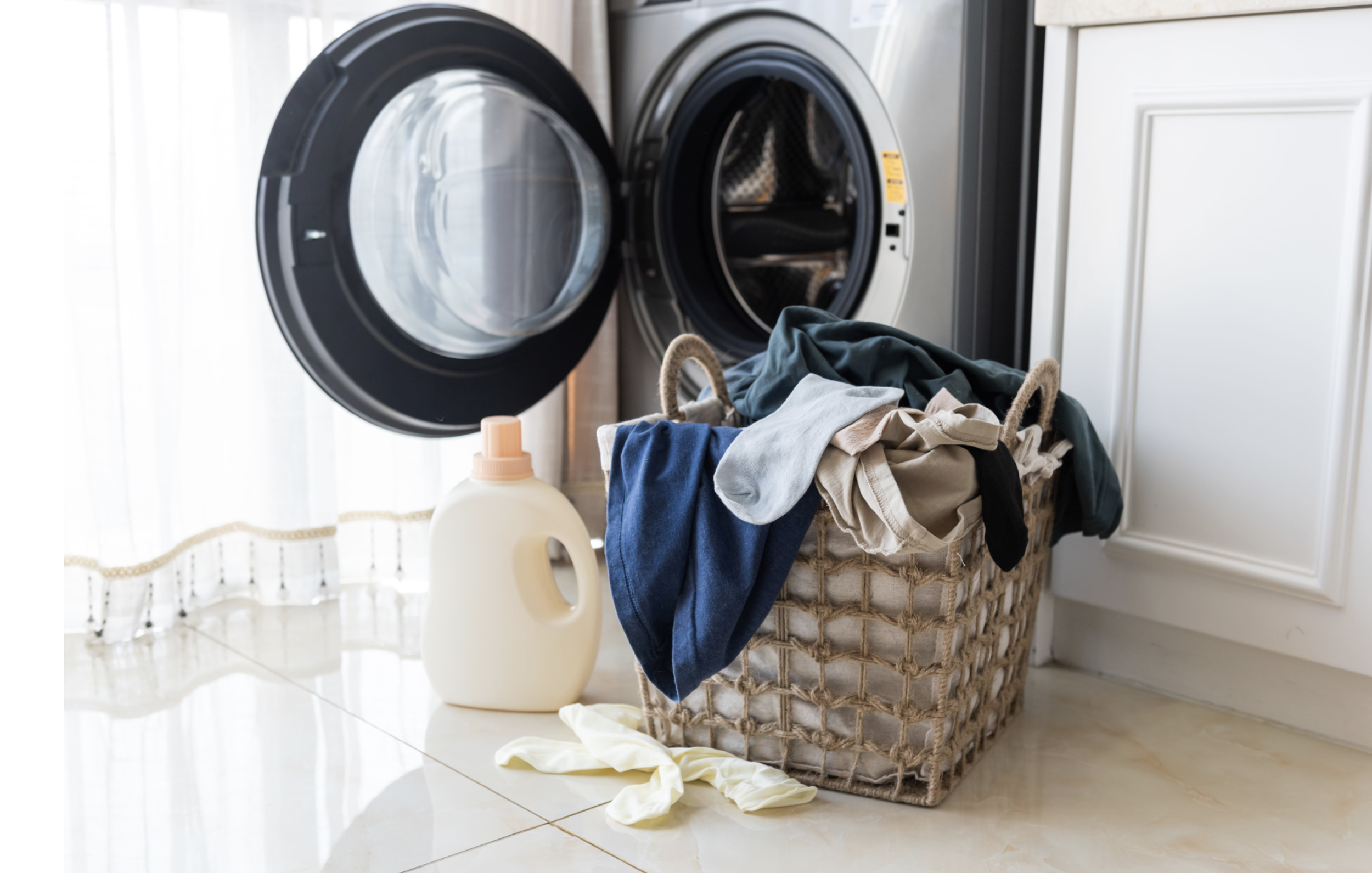
Simple changes, smarter products and everyday habits for a cleaner, greener laundry routine.
Laundry day isn't exactly the most exciting part of our week. We toss clothes into the washer, add detergent, press a button and move on with our lives.
But behind that familiar routine is a surprisingly significant environmental footprint. From the energy needed to heat water and run dryers to the plastic packaging around our detergents and tiny fibers released from our clothes, doing laundry affects more than just what's in the hamper.
The good news?
Some of the easiest ways to make laundry greener don't require buying anything new. They simply involve rethinking a few habits we've probably followed for years.
At Seeing Green, we're all about finding practical ways to make everyday living more sustainable. So let's take a closer look at why laundry matters, what to look for in greener laundry products and how a few small changes can add up.
Why Laundry Matters for the Planet
Think about how often you run your washing machine. For many households, it's several times a week. Multiply that by millions of homes and the environmental impact becomes substantial.
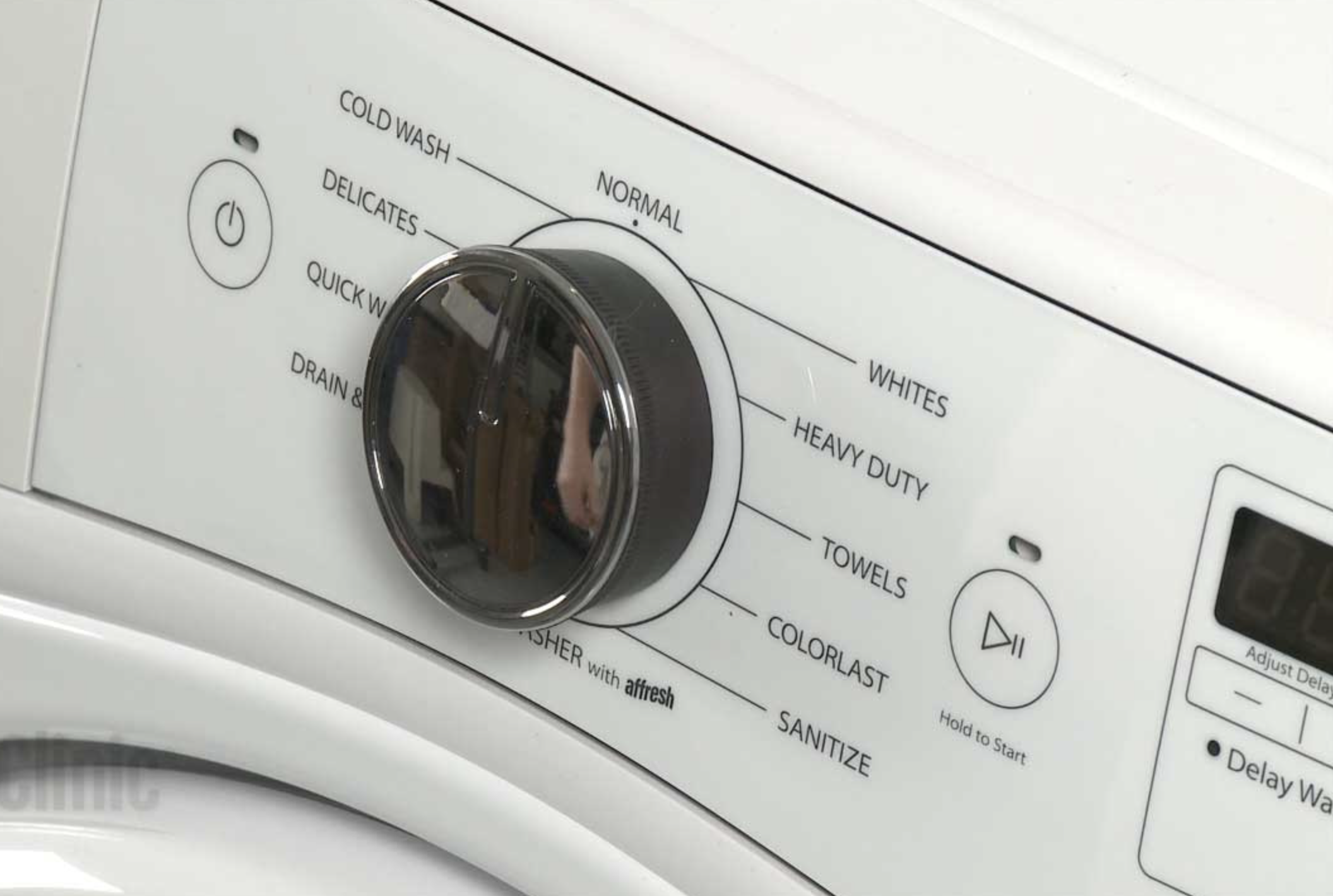
Energy is one of the biggest factors. Heating water can account for the majority of the energy used during a warm or hot wash, while tumble dryers add another significant source of electricity or gas consumption. The hotter and longer the cycle, the more energy we're likely to use.
Then there's water. Washing machines can use anywhere from roughly 14 to 40 gallons per load, depending on the model and settings. Older, less efficient machines often use considerably more than newer high-efficiency designs.
Laundry detergents bring their own environmental challenges. Traditional liquid detergents contain substantial amounts of water, which adds weight during shipping. They're also frequently sold in large plastic jugs, creating packaging waste that can be difficult to eliminate through recycling alone.
And there's a less visible problem: microfiber pollution. Clothing made from synthetic materials like polyester, nylon and acrylic can shed tiny plastic fibers during washing. Some of those fibers pass through wastewater treatment systems and eventually enter rivers, lakes and oceans.
Finally, there's the impact of washing clothes more often than necessary. Every additional load consumes resources and adds wear to the garments themselves, potentially shortening their useful lives.
Put it all together and laundry becomes a surprisingly important opportunity to reduce our everyday environmental footprint.
What We Look for in Greener Laundry Solutions
When exploring laundry products and innovations at Seeing Green, we look beyond whether something promises to get clothes clean. Performance matters, of course, but so does the impact of the products and systems we use.
Here are some of the factors we consider:
Energy and Water Efficiency: Washing machines with ENERGY STAR certification, effective cold-water settings and efficient water use. For dryers, moisture sensors and heat-pump technology can help reduce unnecessary energy consumption.
Thoughtful Detergent Ingredients: Formulas designed to clean effectively with ingredients evaluated for their environmental and human health impacts. Certifications such as EPA Safer Choice can help consumers assess products beyond vague claims of being "natural" or "green."
Less Packaging and Shipping Waste: Concentrated powders, tablets, refill systems and other formats that reduce unnecessary water weight and single-use packaging.
Fabric Care and Longevity: Products and settings that clean effectively without excessive heat or harsh treatment, helping clothes maintain their appearance and last longer.
Microfiber Pollution Prevention: Washing accessories and filtration systems designed to reduce or capture the tiny fibers shed by synthetic textiles.
Transparency and Practicality: Clear ingredient information, credible environmental claims and products that fit into real household routines without unnecessary complexity.
There's no single perfect laundry solution. Different households have different needs, budgets, machines and priorities. The goal is to understand the choices available and find improvements that work in everyday life.
Simple Ways to Green Your Laundry Routine
The encouraging thing about laundry is that some of the most meaningful improvements are also among the simplest.
1. Turn Down the Temperature
If there's one setting worth reconsidering, it's the water temperature.
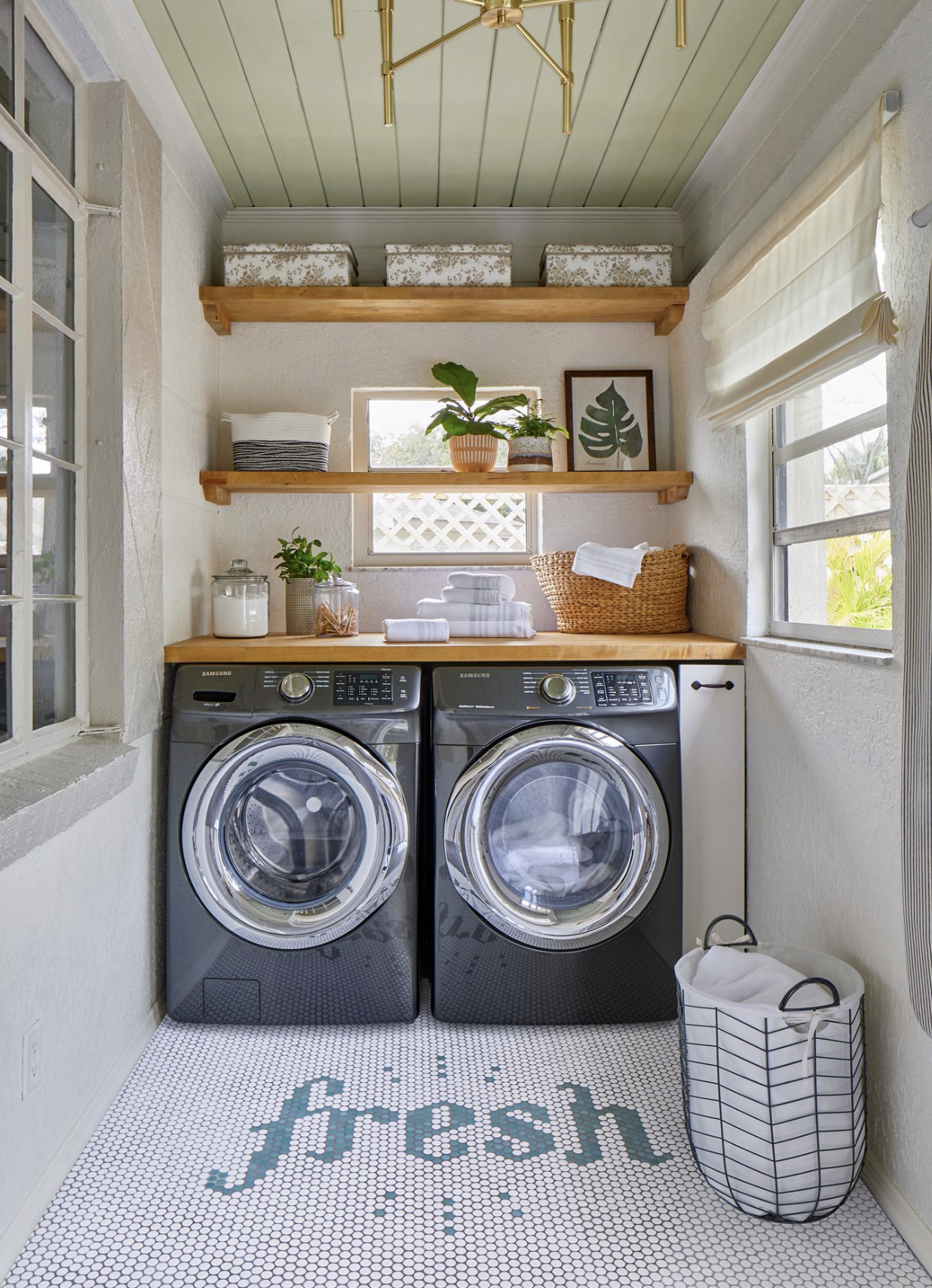
Heating water requires energy, and switching from hot or warm washes to cold can significantly reduce the energy used by a washing machine. Modern detergents are often formulated to work effectively in cold water, making it a practical choice for many everyday loads.
Cold water can also help preserve colors and reduce wear on certain fabrics.
There will still be situations where warmer water is appropriate, depending on fabric care instructions, hygiene needs or particular stains. But for routine washing, cold is a great place to start.
2. Ask Whether It Really Needs Washing
Not every garment needs to go into the hamper after a single wear.
Jeans, sweaters, jackets and other items can often be worn multiple times before washing, depending on how they're used. Spot cleaning a small stain or airing out a garment may be all that's needed.
Underwear, sweaty workout clothes and visibly soiled items are a different story, of course.
But rethinking the automatic wash-after-one-wear habit can save water and energy while helping clothes last longer.
3. Make Each Load Count
Running appropriately sized loads is another simple way to use resources more efficiently.
Rather than washing just a handful of items, wait until you have enough laundry to make good use of the machine's capacity. Avoid overstuffing it, though, since clothes need room to move and rinse properly.
And don't assume a longer or more intensive cycle is always better. For everyday laundry, standard or eco settings may deliver the cleaning you need with less energy and water.
4. Rethink Your Detergent
The familiar plastic jug isn't the only way to get clothes clean.
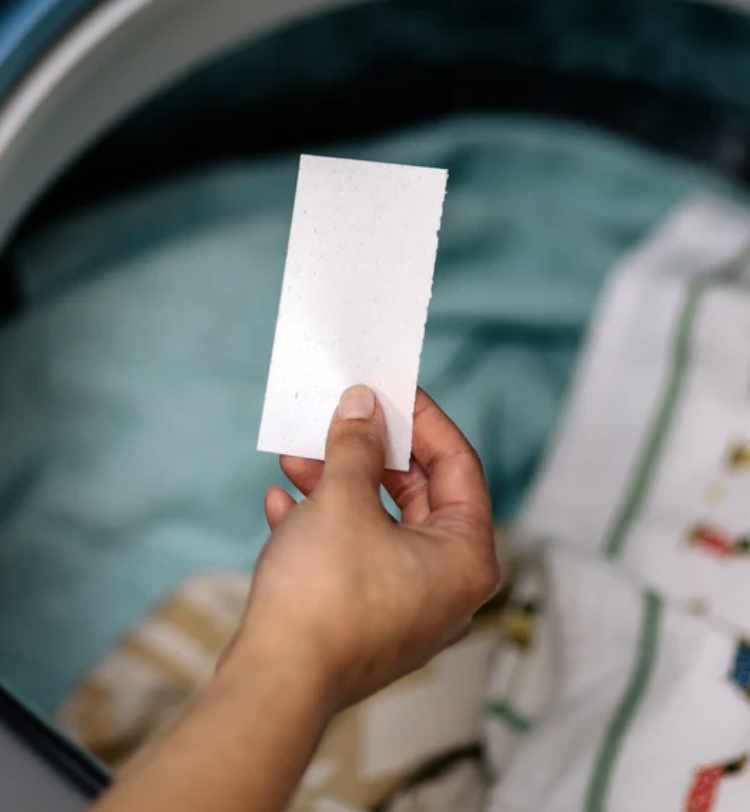
Photo: Tru Earth
Concentrated detergents, powders, tablets and refillable formats can reduce packaging and the resources needed to transport products. Some companies are also developing formulations that avoid unnecessary additives and use ingredients evaluated for their environmental impact.
It's worth looking beyond the packaging, too. Not every detergent sheet, pod or concentrated product has the same ingredient profile, cleaning performance or environmental benefits.
And remember that more detergent doesn't necessarily mean cleaner clothes. Using the manufacturer's recommended amount can help prevent residue and unnecessary product waste.
5. Give the Dryer a Break
Dryers are convenient, but they can also be among the most energy-intensive appliances in a home.
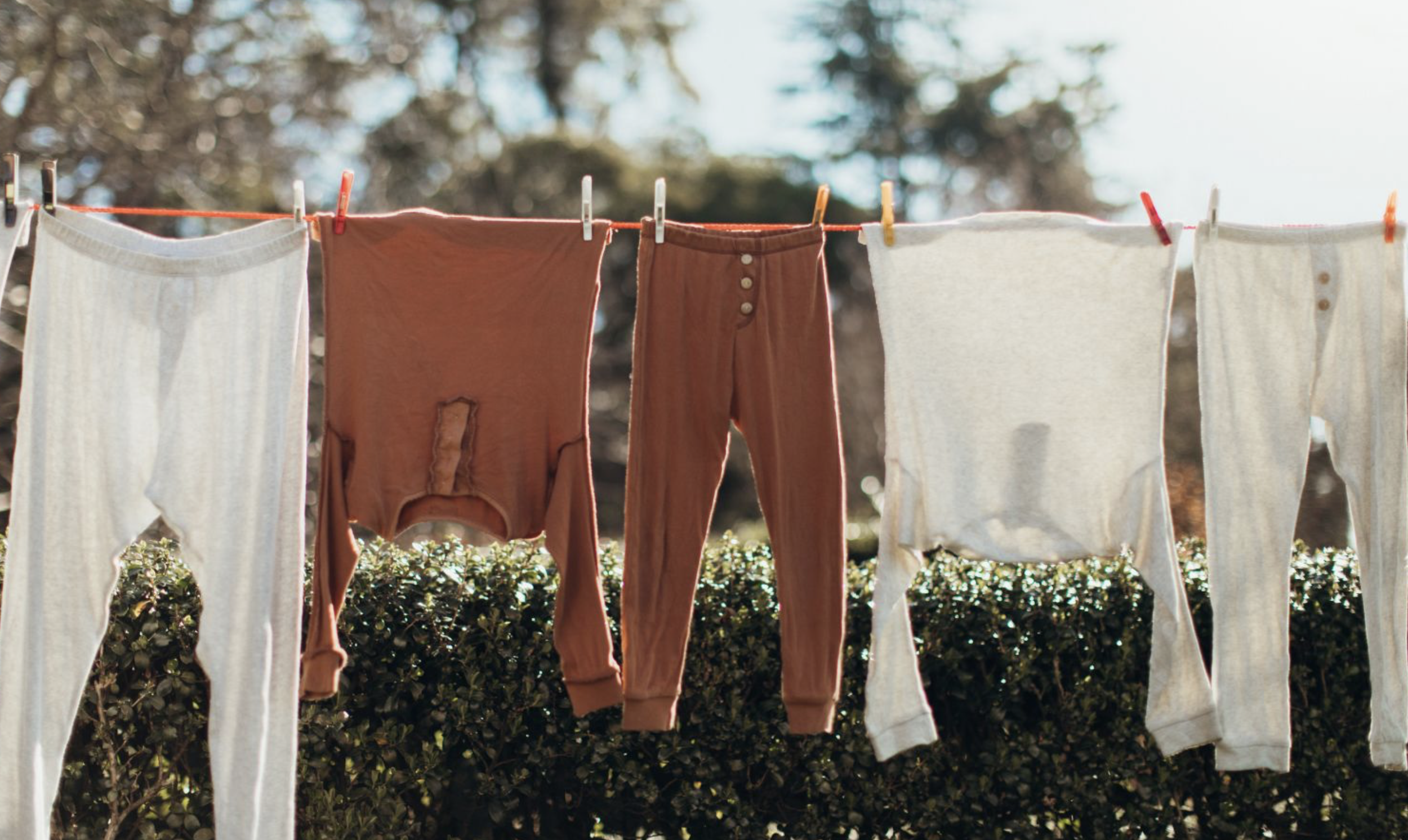
Air drying clothes on a rack or clothesline, even occasionally, reduces energy consumption and can be gentler on fabrics.
When machine drying is necessary, moisture-sensing settings can help prevent clothes from tumbling longer than needed. Reusable dryer balls are another option worth considering in place of disposable dryer sheets.
And when it's eventually time to replace a dryer, heat-pump models offer a more energy-efficient alternative to many conventional machines.
6. Keep Microfibers Out of Our Waterways
Synthetic clothing can release tiny fibers during washing, contributing to plastic pollution in waterways.
Washing only when needed, choosing gentler cycles when appropriate and extending the life of existing clothing can help address the problem.
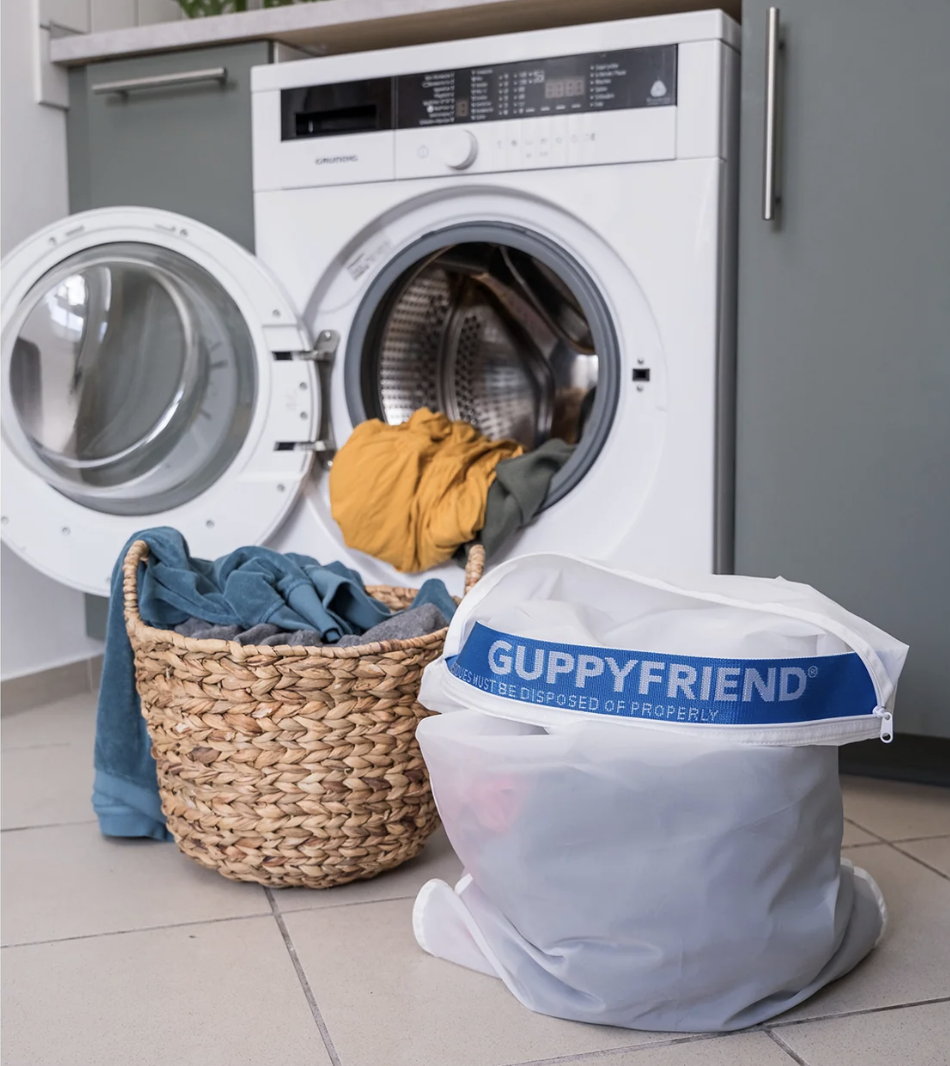
Specialized laundry bags and external washing-machine filters offer additional ways to reduce or capture microfiber shedding. Products such as Guppyfriend washing bags and PlanetCare filtration systems illustrate how companies are developing solutions for a problem most consumers never see.
If fibers are collected, they should be disposed of according to the product's instructions rather than rinsed down the drain.
Small Changes, Repeated Often
Making laundry more sustainable doesn't require a complete laundry room makeover or an expensive collection of new products.
For some households, the biggest improvement might be switching to cold water. For others, it could be reducing dryer use, choosing a more concentrated detergent or simply washing clothes less frequently.
The important thing is that laundry is something we do again and again. Small improvements become part of our routines, creating opportunities to save resources week after week.
And as more consumers embrace better habits and seek out thoughtful products, they also help encourage companies to rethink how laundry products are designed, packaged and delivered.
A greener laundry routine might not be the most glamorous sustainability achievement. But it's one of those everyday changes that can quietly make a difference.
Interested in learning more?