
Mini Rodini Brings Big Imagination to Greener Kidswear
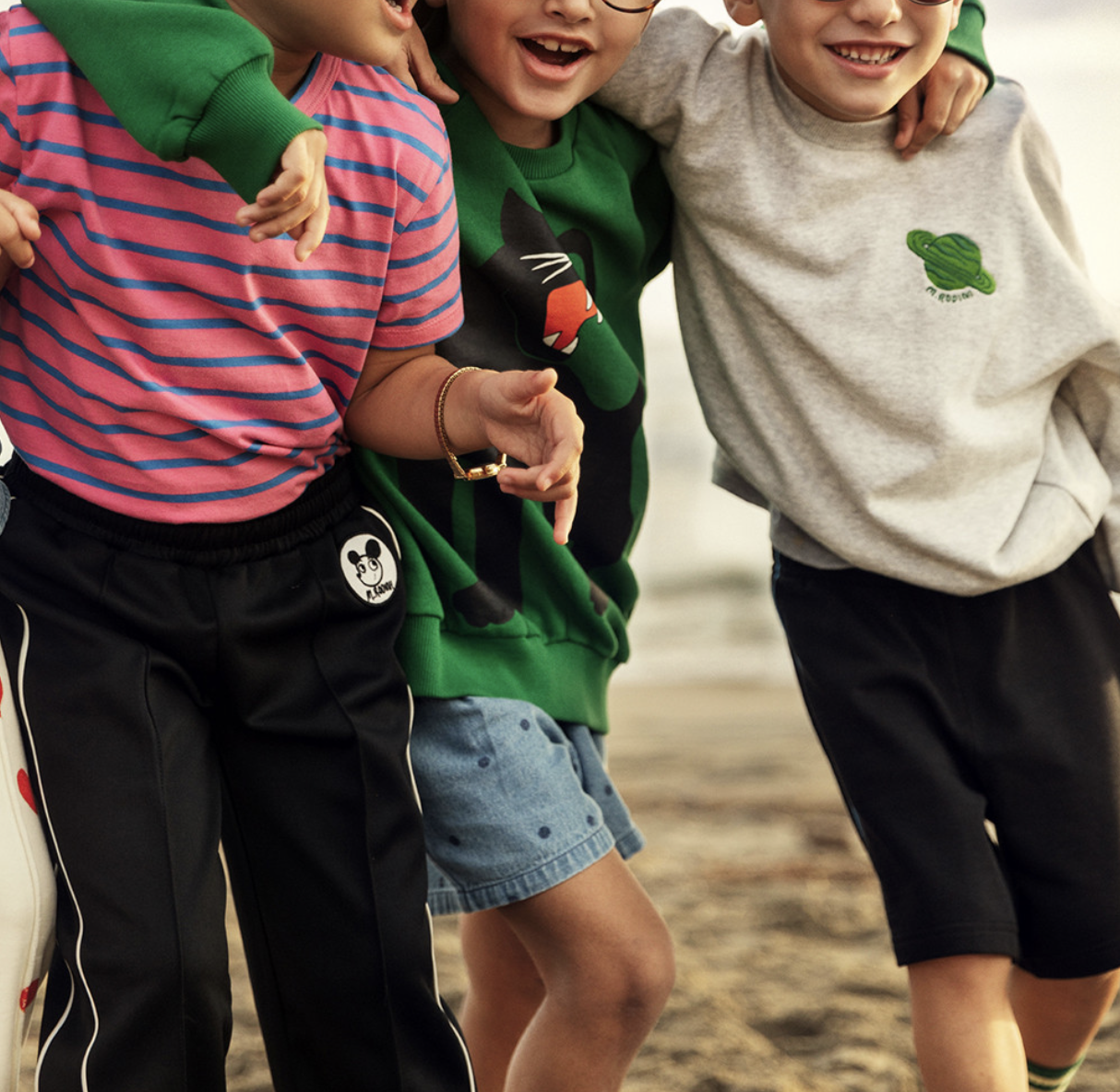
Photo: Mini Rodini
Childhood is supposed to feel imaginative.
A little chaotic. Full of color, personality and the kind of outfits kids become completely obsessed with wearing.
And that playful spirit — combined with a focus on sustainability from the start — is exactly what makes Mini Rodini a Seeing Green Solutionist of the Day.
(story continues below)
Clothes That Feel Like a Kid Dreamed Them Up
There’s a Mini Rodini T-shirt featuring dogs lounging around a country mansion in tailored suits. A swimsuit covered in cat mermaids. Sweatshirts with smiling moons, eccentric animals and surreal little characters that feel pulled straight from a child’s imagination.
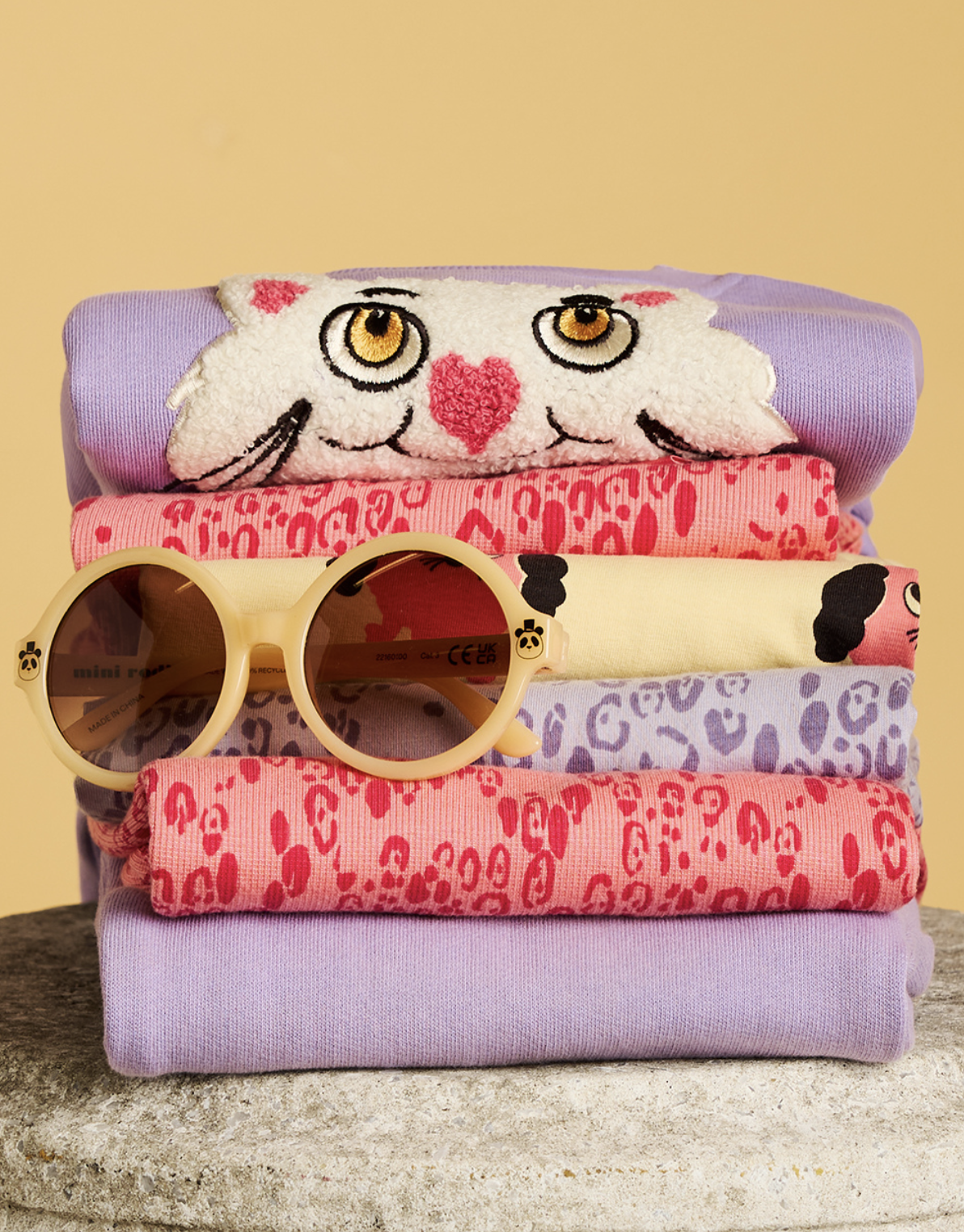
Photo: Mini Rodini
This is the creative universe founder Cassandra Rhodin has been building since launching the Swedish kidswear brand in 2006.
Mini Rodini’s collections span graphic tees, leggings, dresses, outerwear, swimwear, baby clothes and cozy everyday basics, all tied together by bold prints and a distinctly artistic point of view. The clothes feel expressive, fashion-forward and genuinely fun to look at without losing the comfort and practicality families actually need for everyday life.
And unlike so much children’s apparel that can blur together visually, Mini Rodini pieces tend to feel instantly recognizable. Parents often talk about the brand almost the way people talk about collectible art prints or favorite storybooks.
The Artistic Heart of the Brand
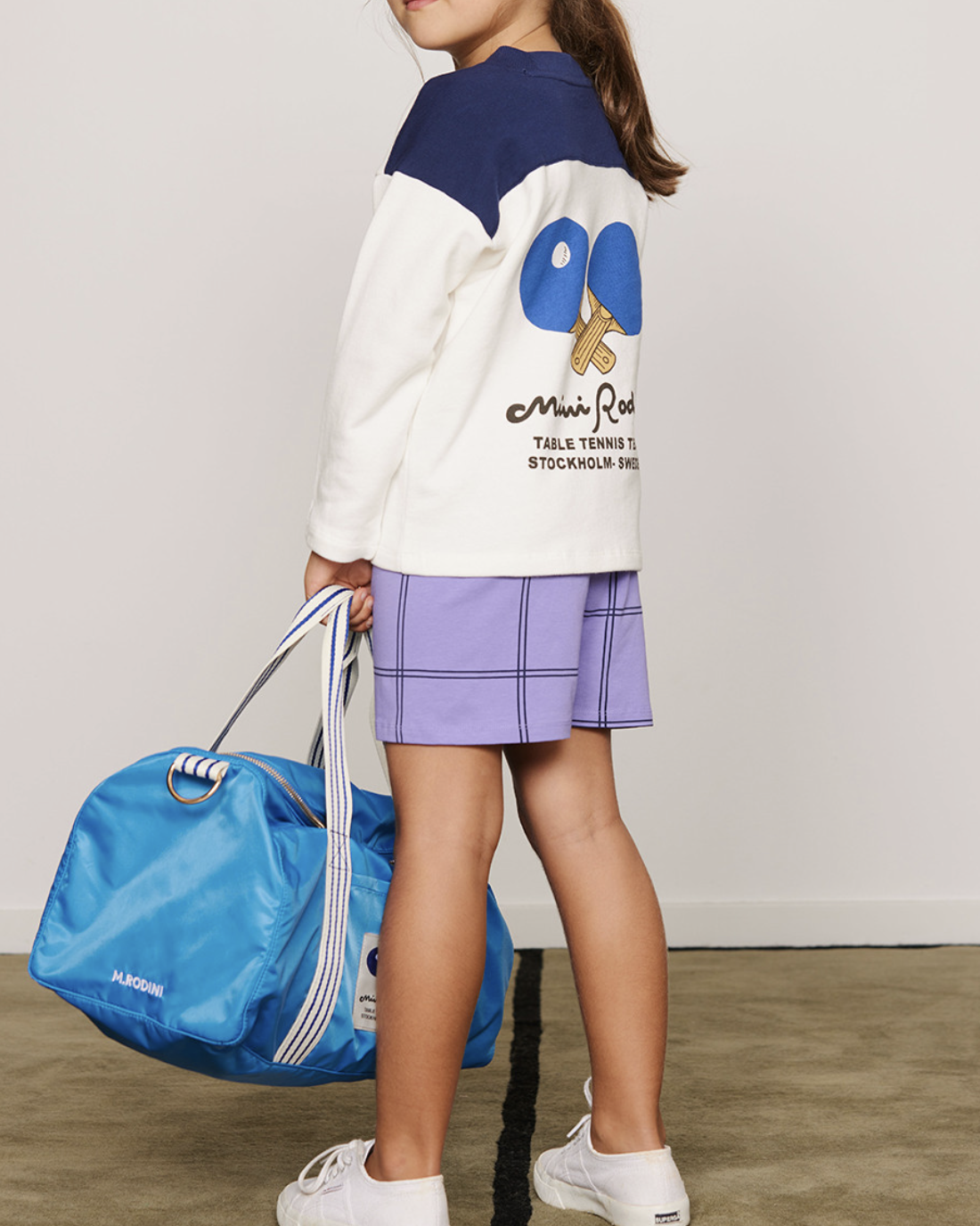
Photo: Mini Rodini
That strong visual identity starts with Rhodin herself. Before founding Mini Rodini, she worked as a fashion illustrator for magazines including Vogue, Elle and Nylon, and many of the brand’s prints are still hand-drawn or painted by her today.
The inspiration comes from everywhere: wildlife, pop culture, fantasy, humor and what the company describes as “the free spirit of children.” That mix gives the brand a personality that feels playful and slightly eccentric in a way that resonates with both kids and adults.
Mini Rodini has also long embraced unisex styling and an inclusive approach to design, creating clothes centered around comfort, creativity and self-expression rather than rigid ideas about what children should wear.
Designed to Stay in Circulation
The sustainability story becomes especially compelling when you look at how Mini Rodini thinks about the lifespan of a garment.
The brand uses materials like certified organic cotton, recycled polyester, TENCEL™ Lyocell, certified wool and regenerated ECONYL® nylon across categories including outerwear, swimwear and activewear. But the bigger story is durability, repair and re-use.
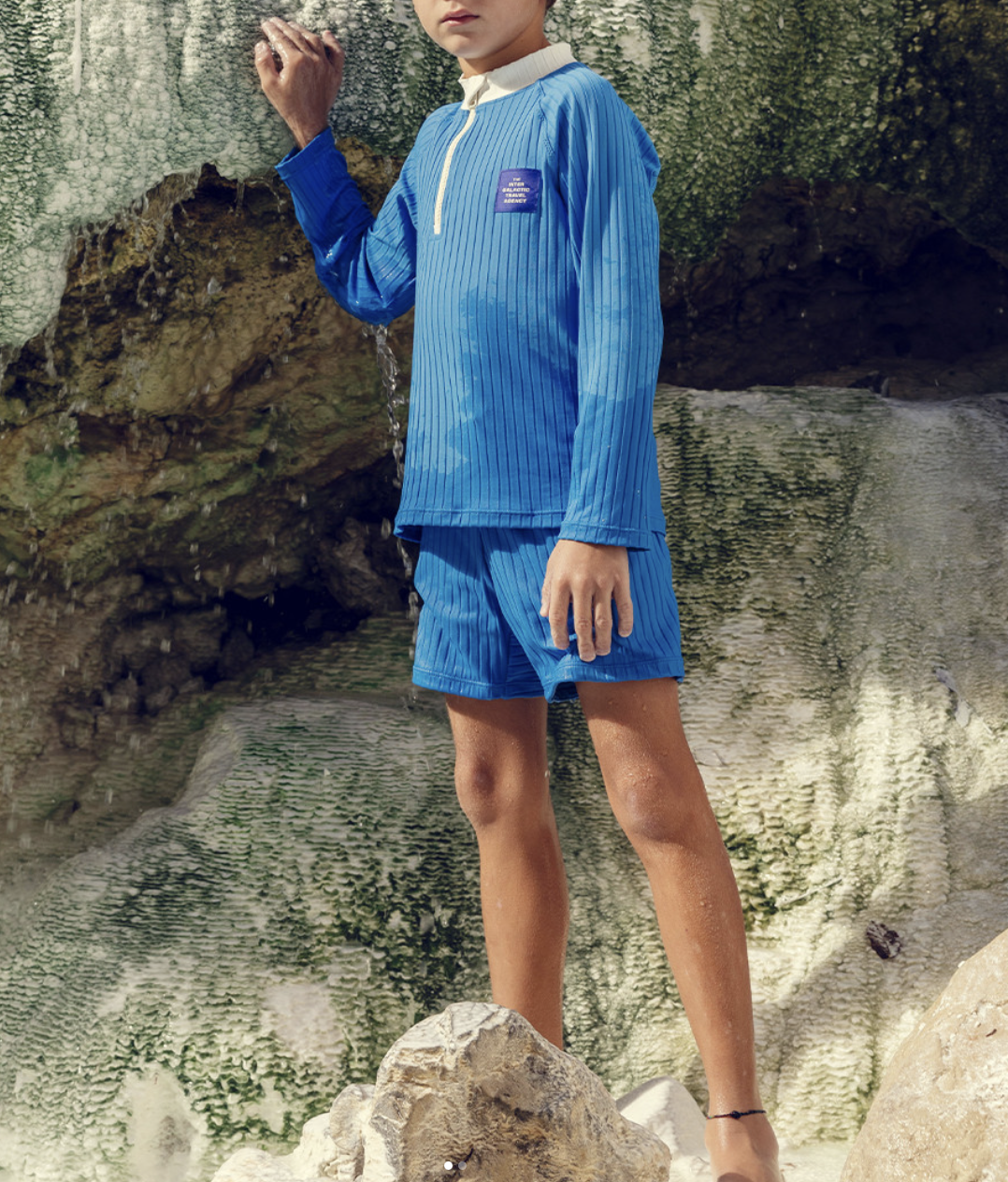
Photo: Mini Rodini
Mini Rodini has been creating Upcycling collections since 2013 using leftover fabrics and unused materials from previous productions, turning would-be waste into limited-edition new pieces. The company also offers repairs in its Stockholm and London stores and regularly reintroduces past-season favorites through its “Treasures” concept, helping older prints and garments find new homes instead of disappearing after a single season.
That circular mindset extends well beyond a single collection or campaign. Mini Rodini has built sustainability directly into how the company operates, from a no-burn policy for unsold inventory to a commitment to certified materials across its collections. The company avoids air freight for incoming shipments, uses recycled plastic packaging where protection is needed and has openly embraced the idea that kidswear should be designed for secondhand life from the very beginning.
And that approach appears to be working. Mini Rodini has developed a strong resale following, with many pieces passed down between siblings, resold online or rediscovered years later by families searching for favorite older prints. In a category where children can outgrow clothes almost overnight, the brand has managed to create garments that families often want to keep in circulation.
Why It Matters
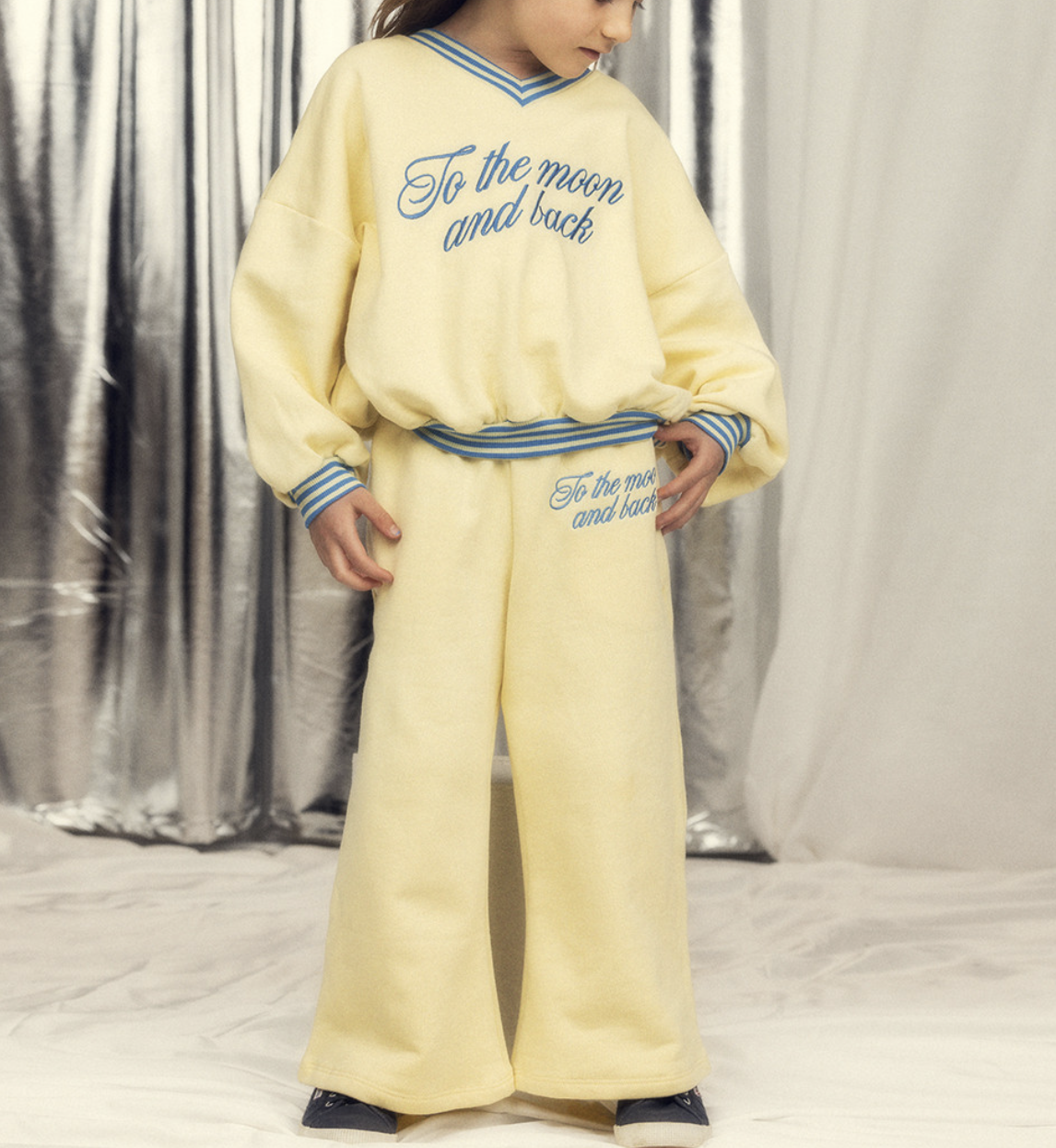
Photo: Mini Rodini
Kids grow quickly, but that doesn’t mean their clothes need to feel temporary.
Mini Rodini shows what can happen when a brand combines creativity, quality and circular thinking from the very beginning: clothes kids genuinely love, designs families want to save and garments made to keep moving from one child to the next.
It’s a reminder that greener kidswear can still feel artistic, expressive and full of personality — the kind of clothes that create memories long before they become hand-me-downs.