
Jackalo Is Reinventing Kids Clothing to Last Longer — and Waste Less
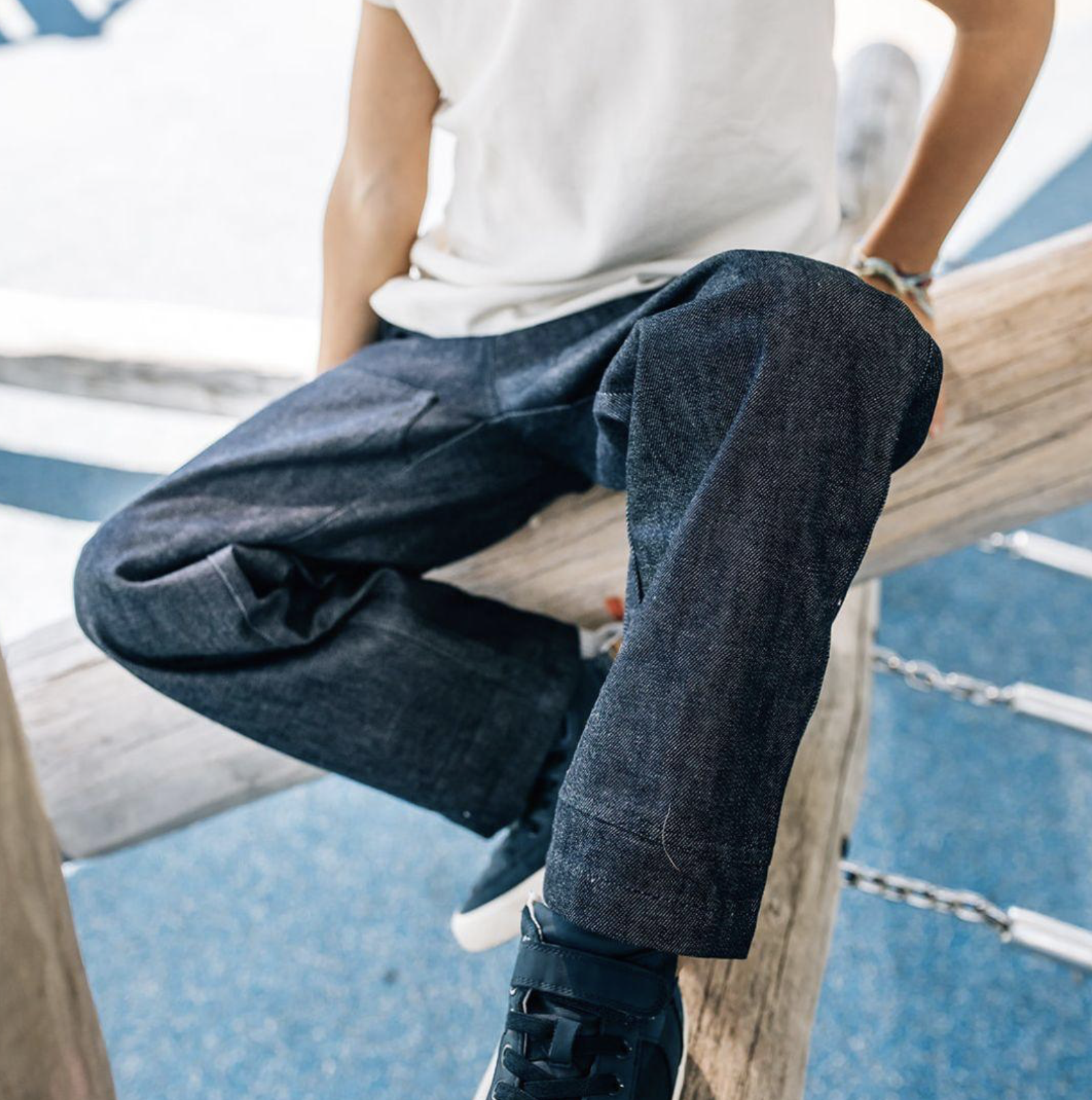
Photo: Jackalo
If you’ve ever looked at a pair of kids’ pants shredded at the knees after three wears, you already understand the problem.
Fast fashion doesn’t just show up in adult closets. It shows up in drawers full of outgrown, barely wearable kids’ clothes that can’t be passed down and feel wrong to throw away.
Jackalo was created to break that cycle, designing children’s clothing that can actually survive real play, real growth and real life, and that’s what makes them a Seeing Green Solutionist of the Day.
(story continues below)
Designed for Play, Made to Last
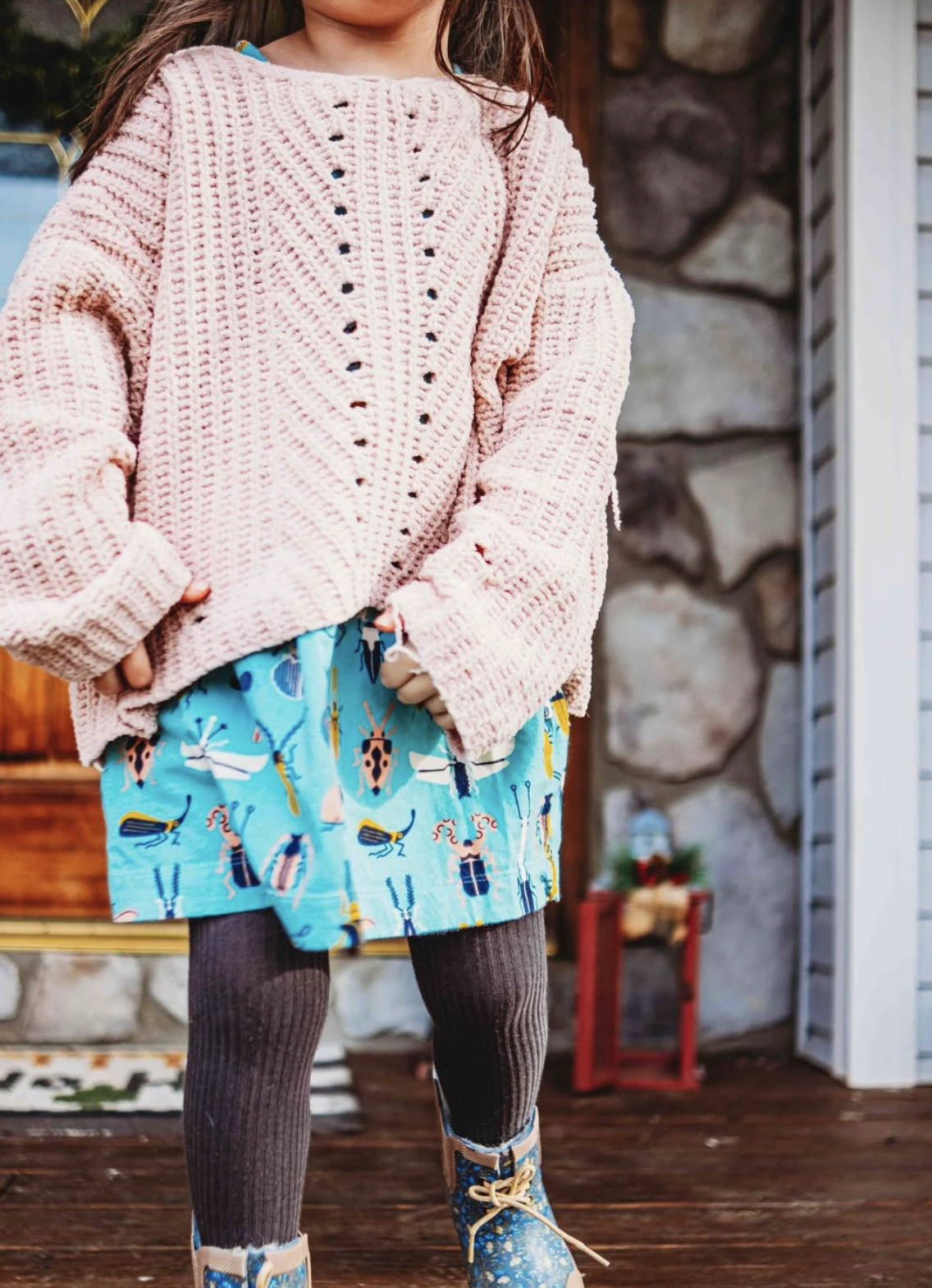
Photo: Jackalo
Founded in 2020 by mother and long-time environmentalist Marianna Sachse, Jackalo was born from frustration. When her older son tore through clothing that couldn’t hold up and there were no usable hand-me-downs left for her younger child, she decided to build something better. The goal wasn’t trendy seasonal pieces. It was timeless, durable, thoughtfully designed basics that kids actually want to wear and parents feel good investing in.
Jackalo’s collection focuses on everyday essentials such as joggers with reinforced knees, leggings, tees, sweatshirts and versatile layers designed in comfortable, gender-neutral silhouettes. The aesthetic is simple, classic and built around universal design. Flat seams support sensitive kids, easy pull-on construction makes dressing simple and pieces are made for climbing, crawling and moving. These are wardrobe foundations meant to be worn constantly, not saved for special occasions.
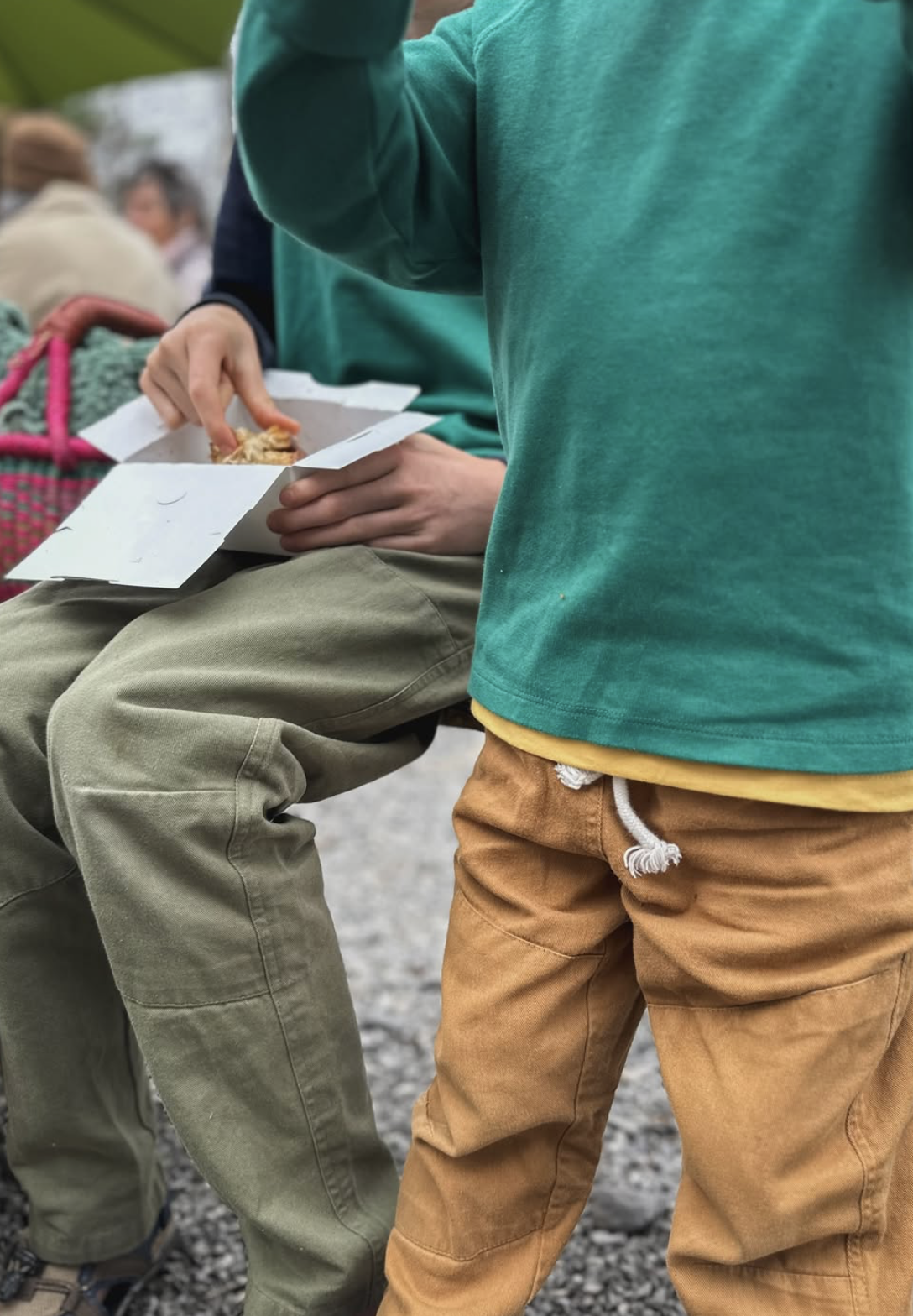
Photo: Jackalo
Durability as a Sustainability Strategy
Then comes what really sets Jackalo apart: durability as a sustainability strategy. The brand uses organic cotton and responsibly sourced deadstock fabrics chosen specifically for strength and resilience. Their signature reinforced knees are engineered for high-impact zones so kids can slide, kneel and climb without immediately destroying their pants. Jackalo talks openly about cost per wear, the simple math that shows a well-loved garment worn dozens of times dramatically lowers both financial cost and environmental impact. Clothing worn longer means less waste, fewer replacements and a smaller footprint per use.
Circular by Design
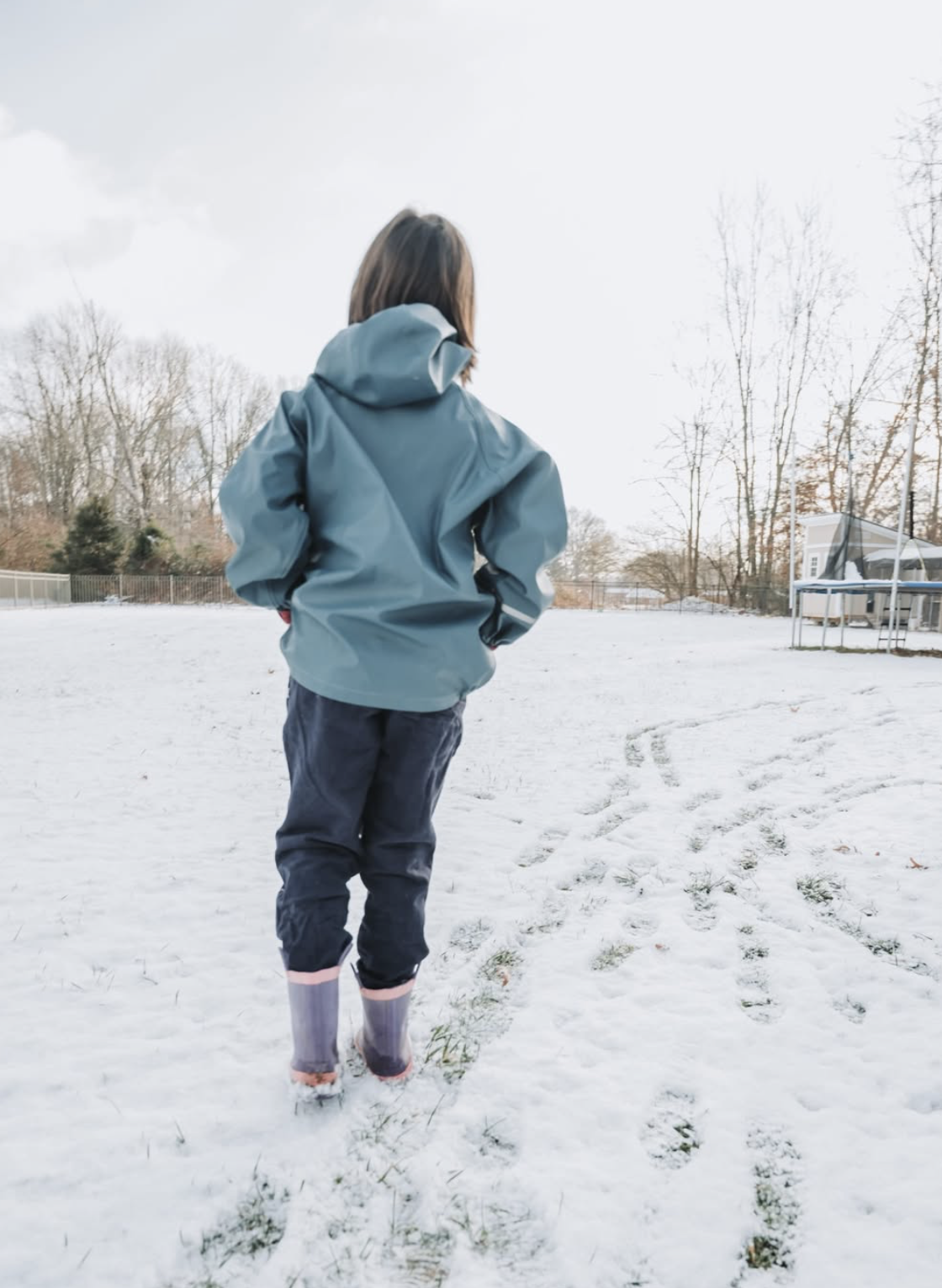
Photo: Jackalo
Circularity is not an afterthought here. It is the system. Jackalo designs every piece to be repairable, resellable and recyclable. Through their Trade-Up program, families can send back outgrown garments for store credit. The company inspects, repairs and refreshes the items, then places them with a new family. Instead of ending up in a landfill or sitting unused in a drawer, those clothes stay in motion. This is circular clothing made practical for busy parents.
Responsible From Farm to Family
Behind the scenes, Jackalo partners with Fair Trade and GOTS-certified production facilities and offsets emissions across its supply chain. They use recycled polybags, compostable mailers, recycled tissue and paper tape in their packaging. They are members of 1% for the Planet, committing a portion of sales to environmental organizations. It feels aligned with the original problem they set out to solve: clothing built to last and built to matter.
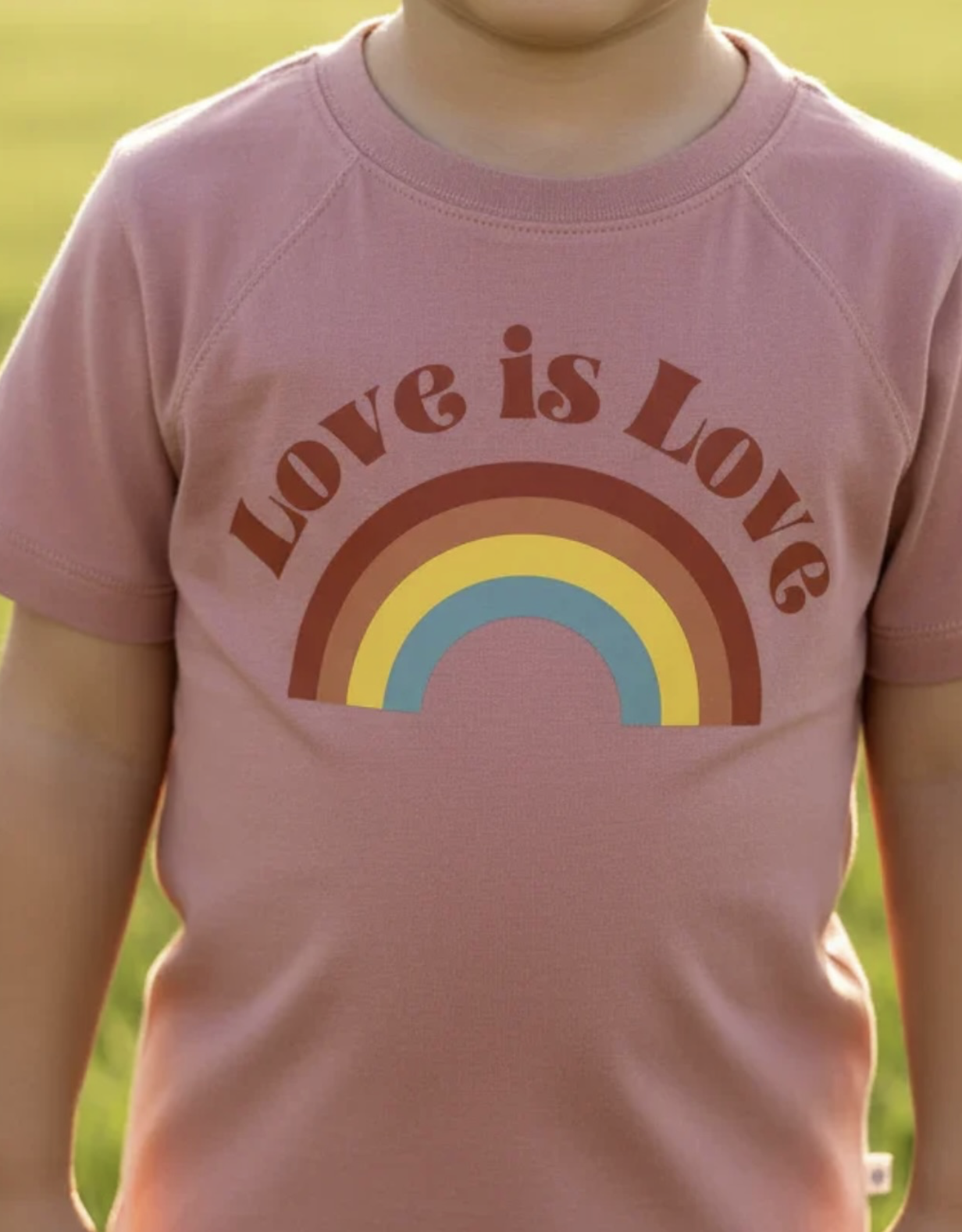
Photo: Jackalo
At its core, Jackalo isn’t just selling kids clothes. It is redesigning a broken system around durability, reuse and responsibility without sacrificing comfort or style.
And that practical, circular, play-tested approach to sustainable fashion is exactly what defines Seeing Green.