
SidelineSwap Turns Sports Gear Into a Circular, Affordable Movement
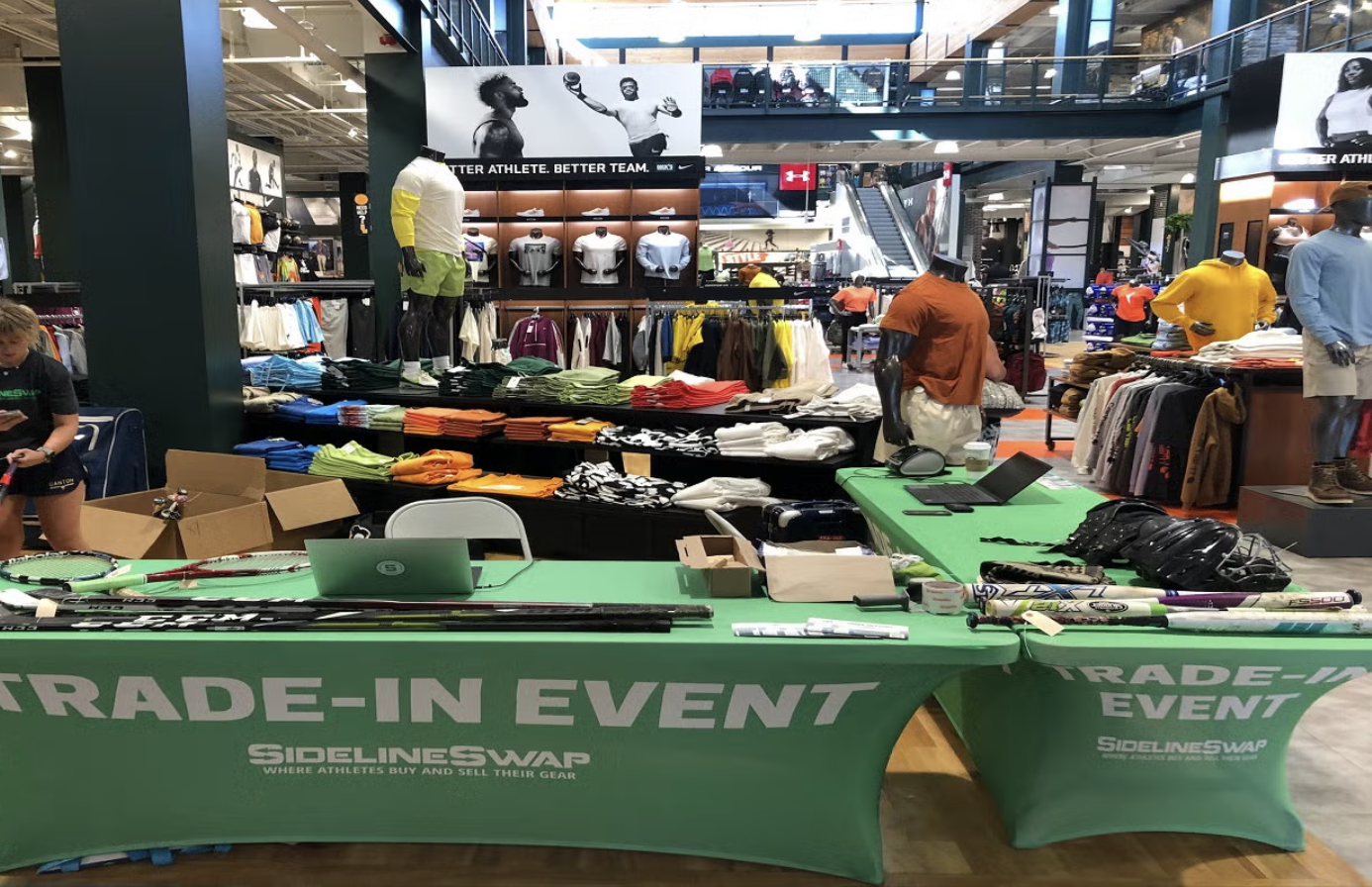
Photo: SidelineSwap
Making sports more accessible while keeping gear out of landfills
For so many athletes and sports families, the cost of gear is a barrier. Equipment for hockey, lacrosse, baseball, golf and dozens of other sports adds up fast, especially for growing kids who size out of items long before they wear them out.
SidelineSwap was created to solve that problem… making them a Seeing Green Solutionist of the Day.
Founded by former college athletes who struggled to find high-quality used gear online, the platform has become one of the largest and most trusted marketplaces for secondhand sports equipment. Since 2015, more than 1.5 million athletes have joined the community and listed more than $1B worth of gear.
(story continues below)
At its core, SidelineSwap is simple. It connects athletes, parents, coaches and small businesses with people who want the gear they no longer use. Sellers range from high school players clearing out last season’s equipment to beer leaguers upgrading for next year, to former pros with years of gear, to families cleaning out garages and even large brands like Callaway Golf. What ties them together is a shared belief that gear deserves a second life.
The Circular Model Sports Have Needed
Sports gear is resource intensive. Composite sticks, aluminum bats, molded plastics, leather, foam, textiles, metal hardware, packaging and transport all carry environmental weight. Every season, millions of items lose their usefulness not because they are worn out, but because an athlete has outgrown them or moved on to a new sport. Much of that gear eventually ends up in landfills.
SidelineSwap keeps those items in play. By making it easy to resell equipment, the platform helps families reduce waste and extend the life of products that still have years left in them. For parents who have watched gear pile up in garages, this is a chance to keep items circulating and help someone else access the sport at a lower cost.
Affordability and sustainability go hand in hand. Families save money by buying high-quality used equipment at a fraction of the price of new items. Sellers earn back some of what they spent. Communities gain access to a larger pool of gear that is vetted by people who play and understand the sport. SidelineSwap has also expanded its impact by partnering with major retailers like Dick’s Sporting Goods, MonkeySports and Perani’s Hockey to run trade-in events, making it even simpler for athletes to bring in old gear and give it a second life.
Why It Matters
The sports world generates enormous material flows every year. Kids move through helmets, pads, and cleats at a staggering pace. Hockey sticks snap after a handful of games. Baseball and softball bats get upgraded season to season. Golf clubs, lacrosse heads, snowboards, football pads and goalie equipment are expensive to buy new and expensive to discard. A circular marketplace for sports gear is one of the most logical and high-impact opportunities to reduce waste, cut emissions and lower the cost of participation.
By reducing demand for brand-new items, SidelineSwap helps lower the environmental footprint tied to manufacturing, shipping and packaging. By giving families a practical way to resell what they no longer need, it keeps gear out of the waste stream and makes sports more inclusive. And by building a community where athletes share knowledge and help each other find the right gear, it turns recommerce into a cultural norm rather than an exception.
SidelineSwap shows that sustainable choices do not need to be complicated. They can be practical, affordable and rooted in community. For millions of athletes, sports families and small businesses, this is what circularity looks like in motion.