
Gray Whale Gin Distills the Spirit of Coastal Conservation
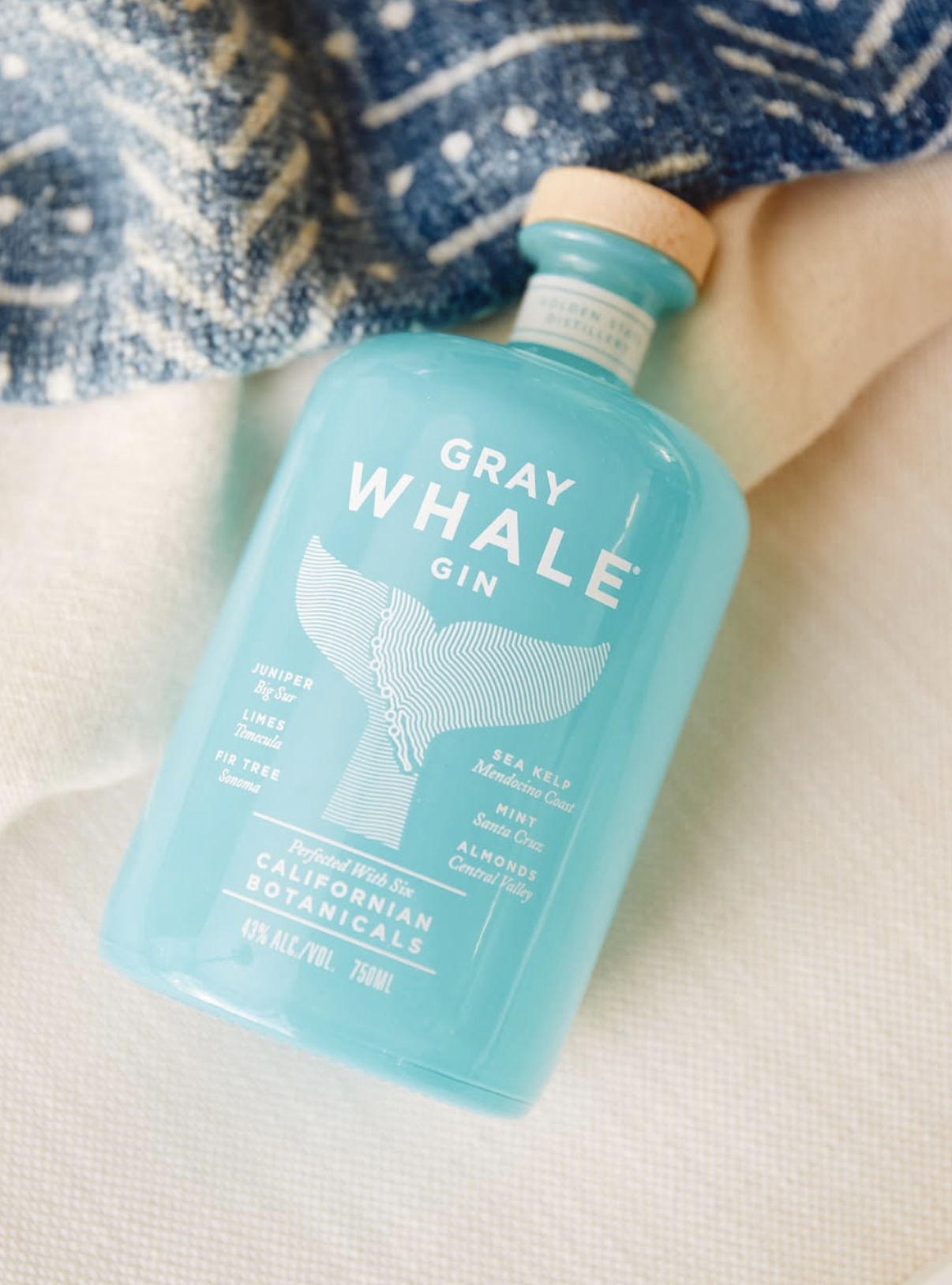
Photo: Gray Whale Gin
If your go-to gin could transport you to Big Sur cliffs, Mendocino kelp forests and citrus groves in Temecula with every sip, would you reach for it differently?
Gray Whale Gin was born from a camping trip to Big Sur, where founders Jan and Marsh Mokhtari spotted a gray whale and her calf making their epic 12,000-mile migration along the Pacific Coast. That moment, paired with a deep love of California’s landscapes and oceans, became the inspiration for a spirit that follows that same migratory path through its botanicals and its mission.
It is a consciously crafted, award-winning gin rooted in place, purpose and protection of the sea. And that’s why they are a Seeing Green Solutionist of the Day.
(story continues below)
A Coastal-Inspired Craft Gin
Gray Whale Gin is distilled seven times for a clean, balanced profile that works beautifully in everything from a classic gin and tonic to a crisp martini or citrus-forward cocktail. The flavor is bright yet layered, refreshing yet grounded, making it an easy addition to any home bar.
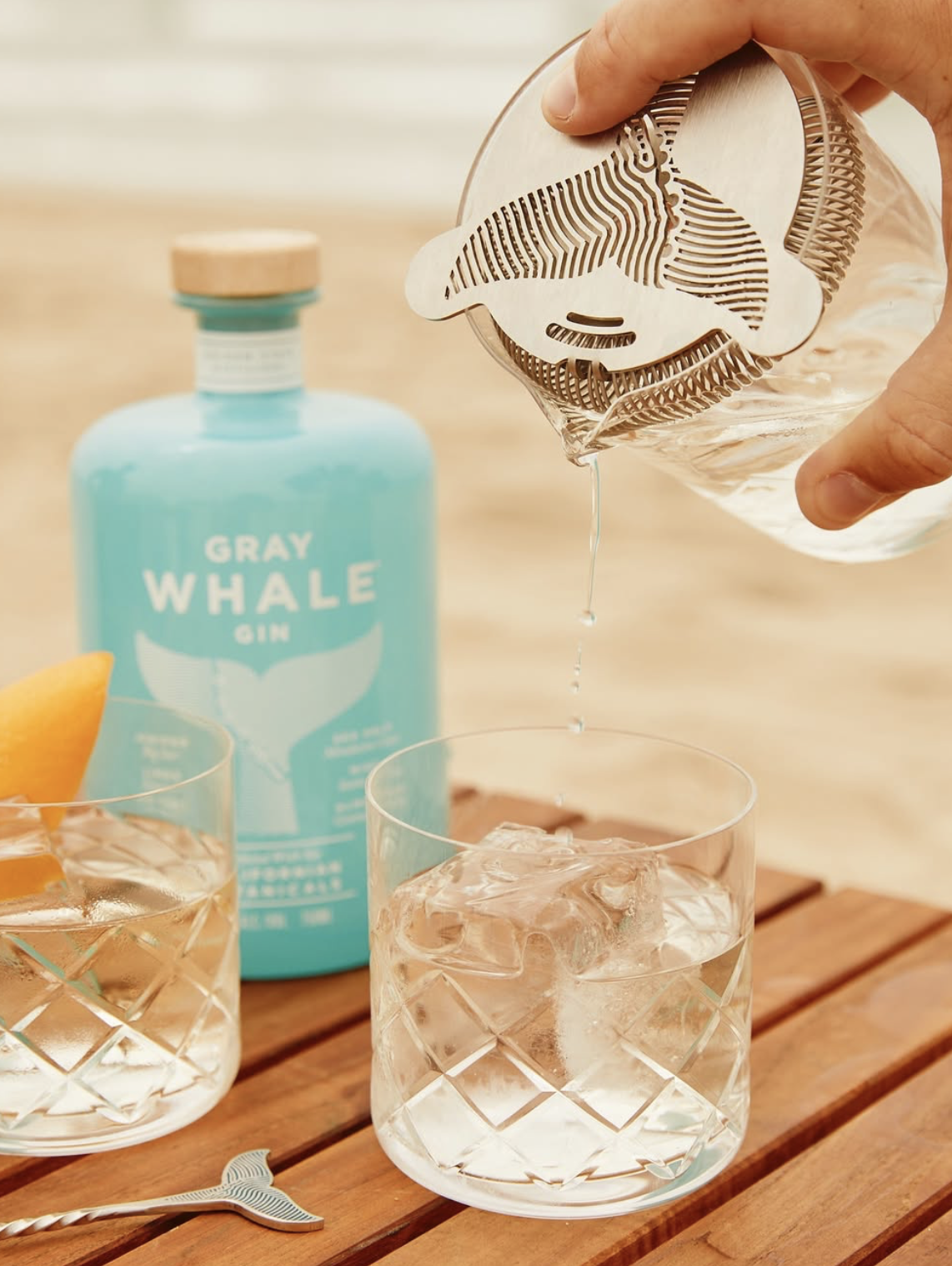
Photo: Gray Whale Gin
The brand centers on six botanicals sourced along the California coastline, each chosen after testing hundreds of combinations. The result is a spirit that feels unmistakably tied to the Golden State, not just in branding but in taste.
Botanicals That Follow the Whale
One of the most compelling parts of the Gray Whale story is how each botanical mirrors a stop along the gray whale’s migratory route.
From Mendocino comes wild-harvested kombu seaweed, adding a subtle earthy umami and a whisper of ocean spray. In Sonoma, sustainably sourced fir from a local tree farm brings pine aroma and a bright, almost citrusy lift. Big Sur contributes California juniper, a super berry with pine and floral notes that anchor the gin’s classic backbone.
Further south, almonds from the Central Valley lend a creamy mouthfeel and gentle sweetness. Santa Cruz mint adds freshness and an aromatic softness, while hand-zested and dried limes from Temecula deliver vibrant citrus brightness.
By sourcing these botanicals from California and supporting local farmers who grow non-GMO ingredients, Gray Whale keeps its supply chain intentionally close to the landscapes that inspire it.
Craft Meets Conscience
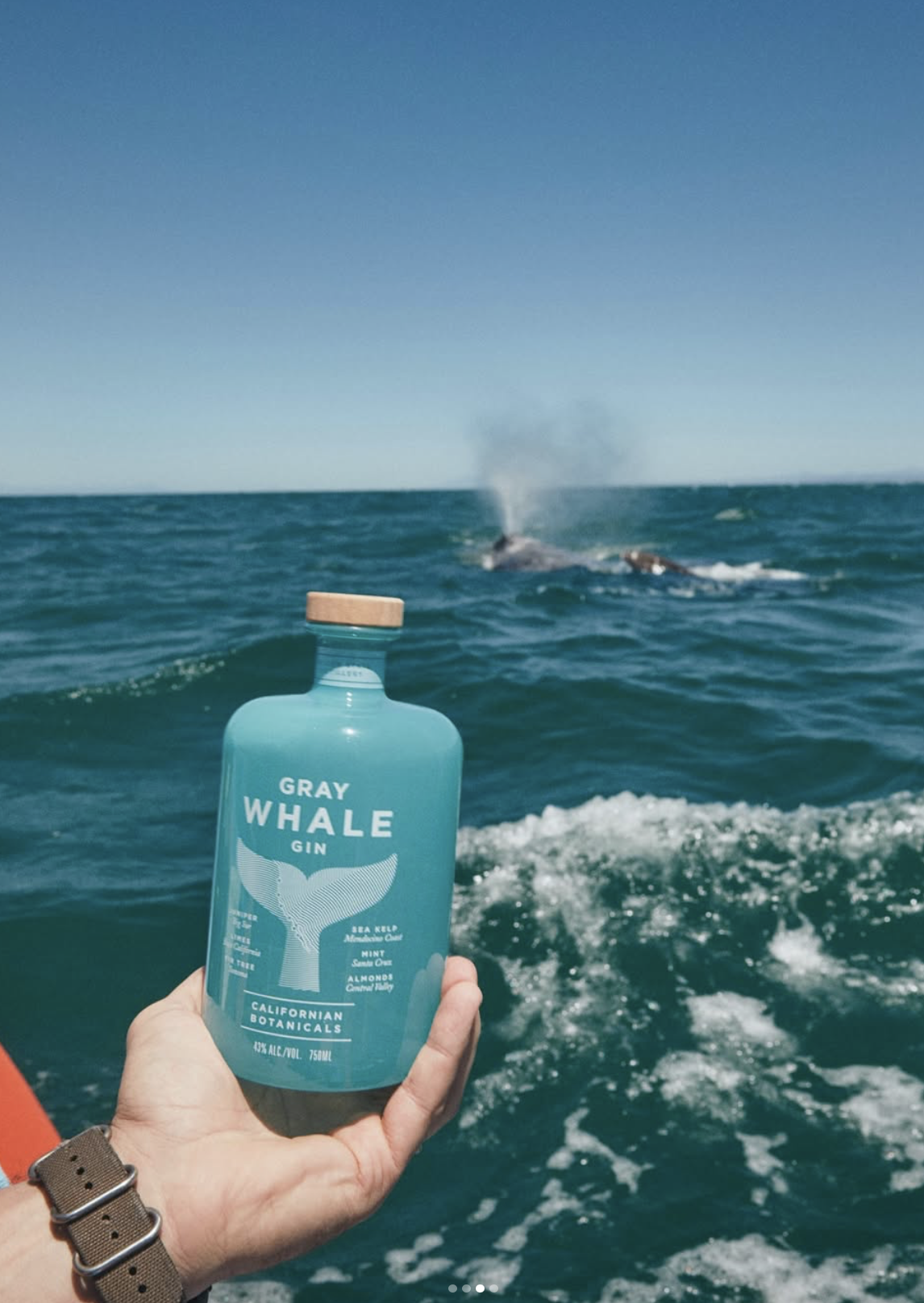
Photo: Gray Whale Gin
Beyond flavor, Gray Whale Gin is built around a clear environmental commitment.
Every bottle supports ocean conservation through a primary partnership with Oceana, the largest international organization dedicated solely to protecting and restoring the world’s oceans. The brand has supported Oceana’s work to transition California’s deadly drift gillnet fishing practices to cleaner fishing gear, helping protect marine species including dolphins, sea turtles and the California gray whale itself.
Gray Whale Gin is also a proud member of 1% for the Planet, pledging at least one percent of annual sales to environmental causes. That structural commitment matters. It embeds giving into the business model rather than treating it as an occasional campaign.
The bottle design reflects that ethos as well, featuring thoughtful details and materials that align with the brand’s coastal, conservation-forward identity.
Extending the Mission Beyond the Bottle
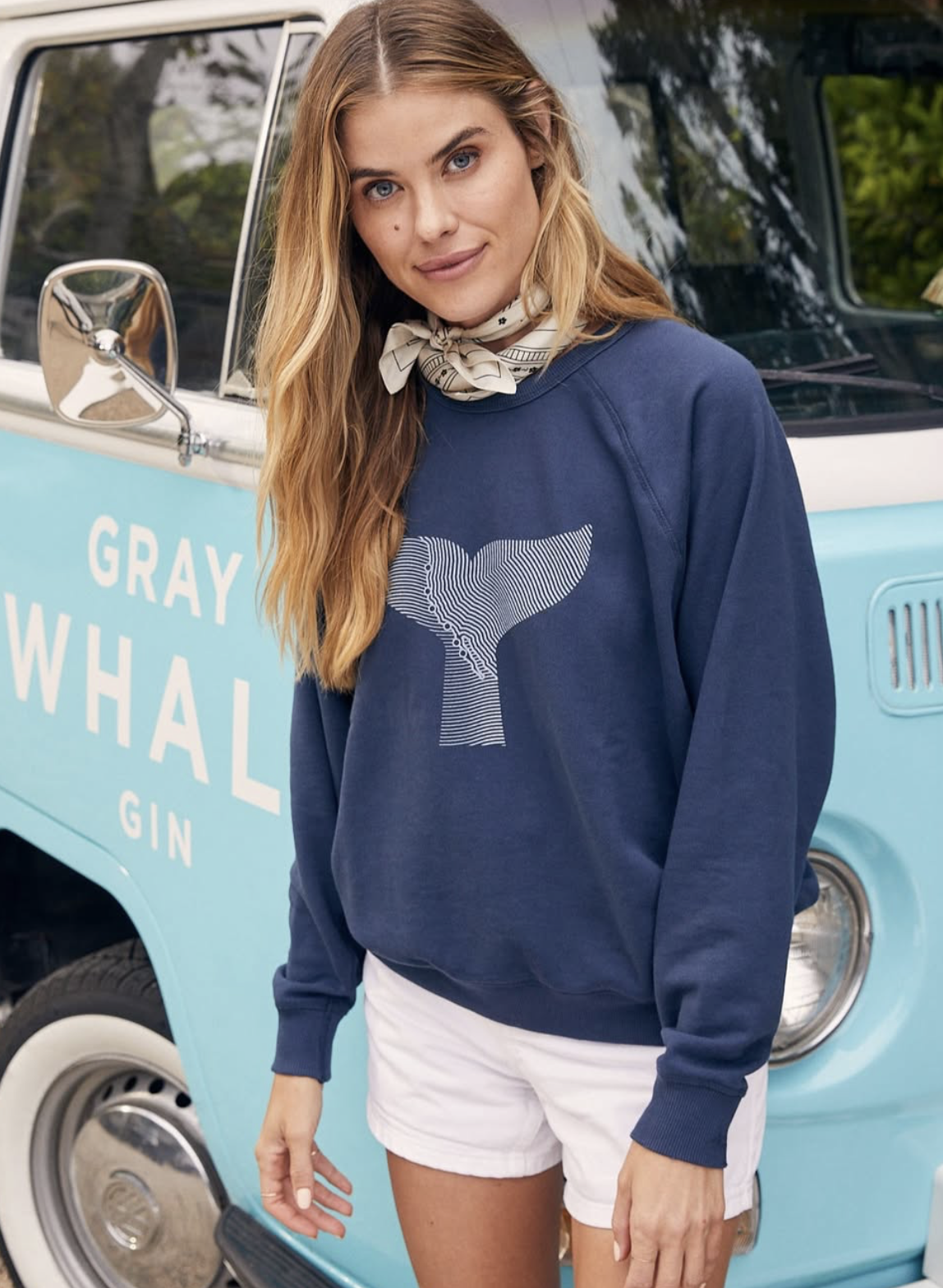
Photo: Gray Whale Gin
Gray Whale’s commitment to sustainability extends into lifestyle through its consciously crafted apparel collection. Made from recycled and organic materials, the pieces are designed to evoke coastal living while reducing environmental impact from fabric to packaging. It is an example of how brands can extend values consistently across product categories.
The gin itself is vegan and vegetarian, with no animal-derived products used in production, making it accessible to a wide range of conscious consumers.
Why It Matters
Spirits are often left out of sustainability conversations, yet agriculture, distillation and packaging all carry environmental footprints. Gray Whale Gin demonstrates that even in a category built around celebration and cocktails, brands can make deliberate choices about sourcing, partnerships and giving.
When you choose a gin that supports ocean conservation, sources botanicals locally and builds impact into its revenue model, you are not just mixing a drink. You are supporting a business that sees commerce and conservation as compatible.
California in a glass. A migration in a bottle. A gin that tastes good and does good for the coast that inspired it.
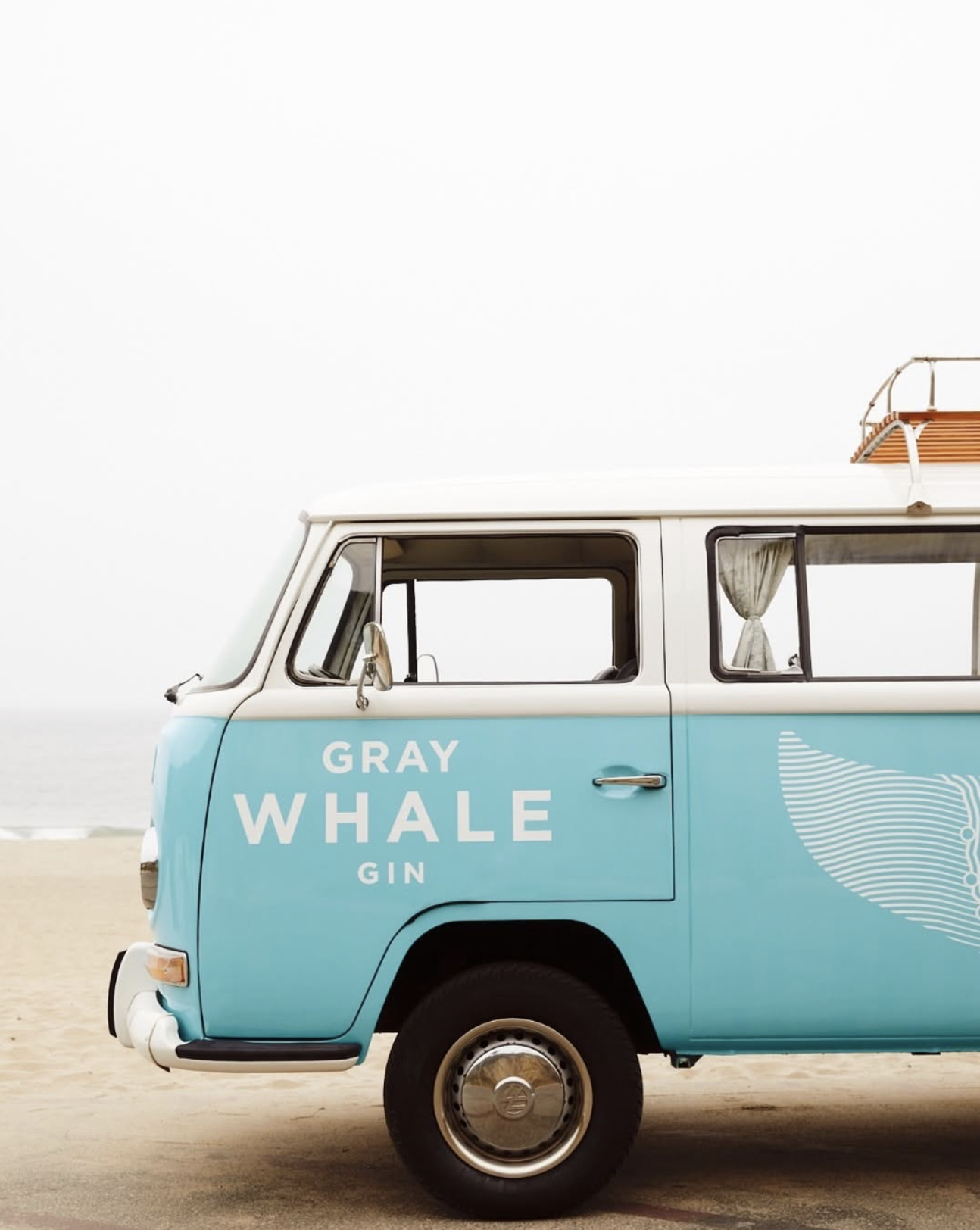
Photo: Gray Whale Gin