
Our Faves: Making Mealtime Easier — Plus 5 Favorite Meal Delivery Services
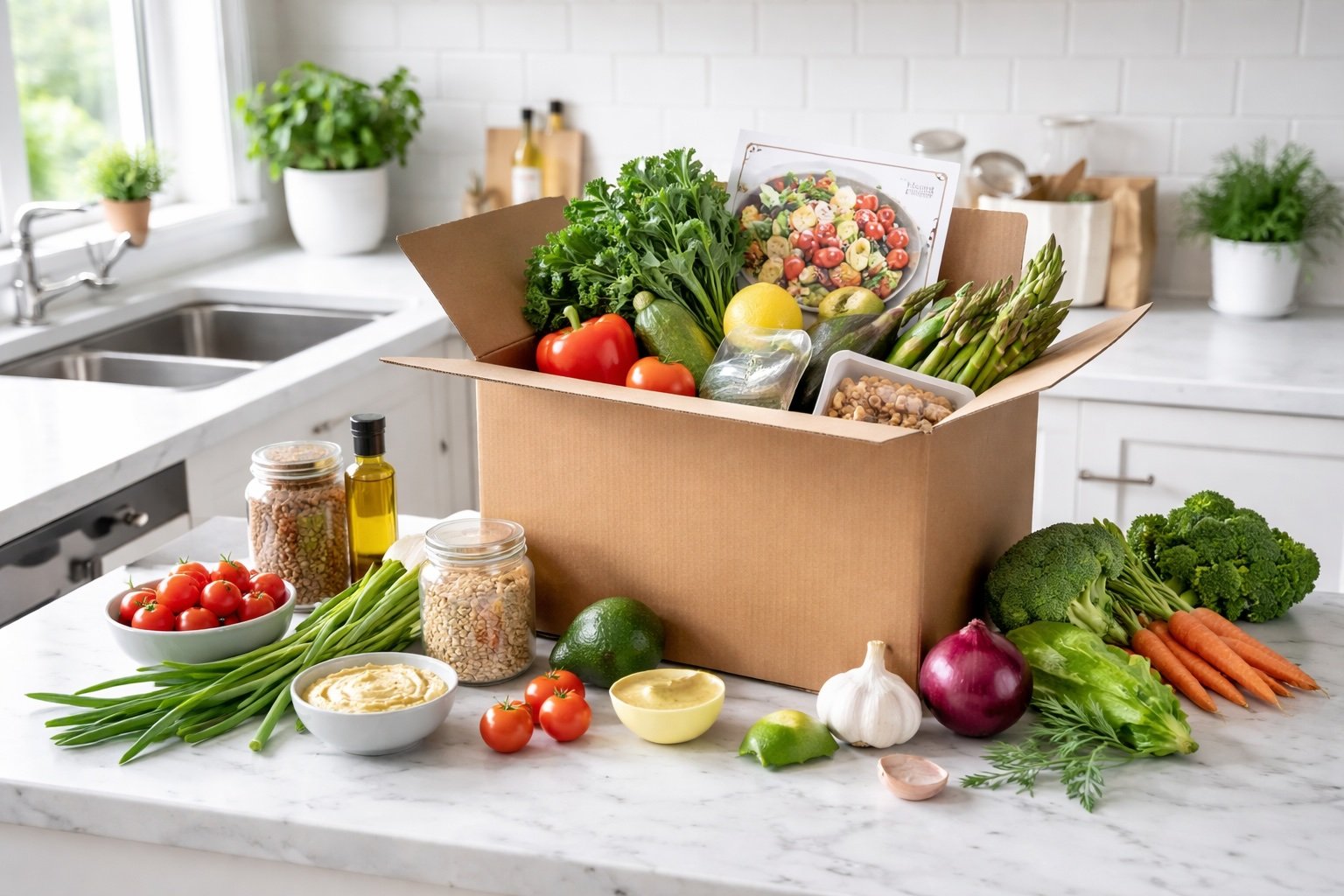
If you’ve ever stood in front of your fridge at 6:15 p.m. wondering what to make for dinner, you’re not alone.
Meal kits and prepared meal delivery services have reshaped how millions of Americans put food on the table. In fact, the U.S. meal kit market is now valued at roughly $8.7 billion, and an estimated 17% of Americans have tried one at some point. What started as a niche subscription trend is now part of the mainstream dinner routine.
But here’s the bigger question: can these convenient shortcuts also support greener, more health-forward eating?
That’s exactly what we’re exploring here.
(story continues below)
Understanding the Two Types of Meal Delivery
Before we talk sustainability, it helps to clarify what we mean by “meal kits,” because the category has evolved.
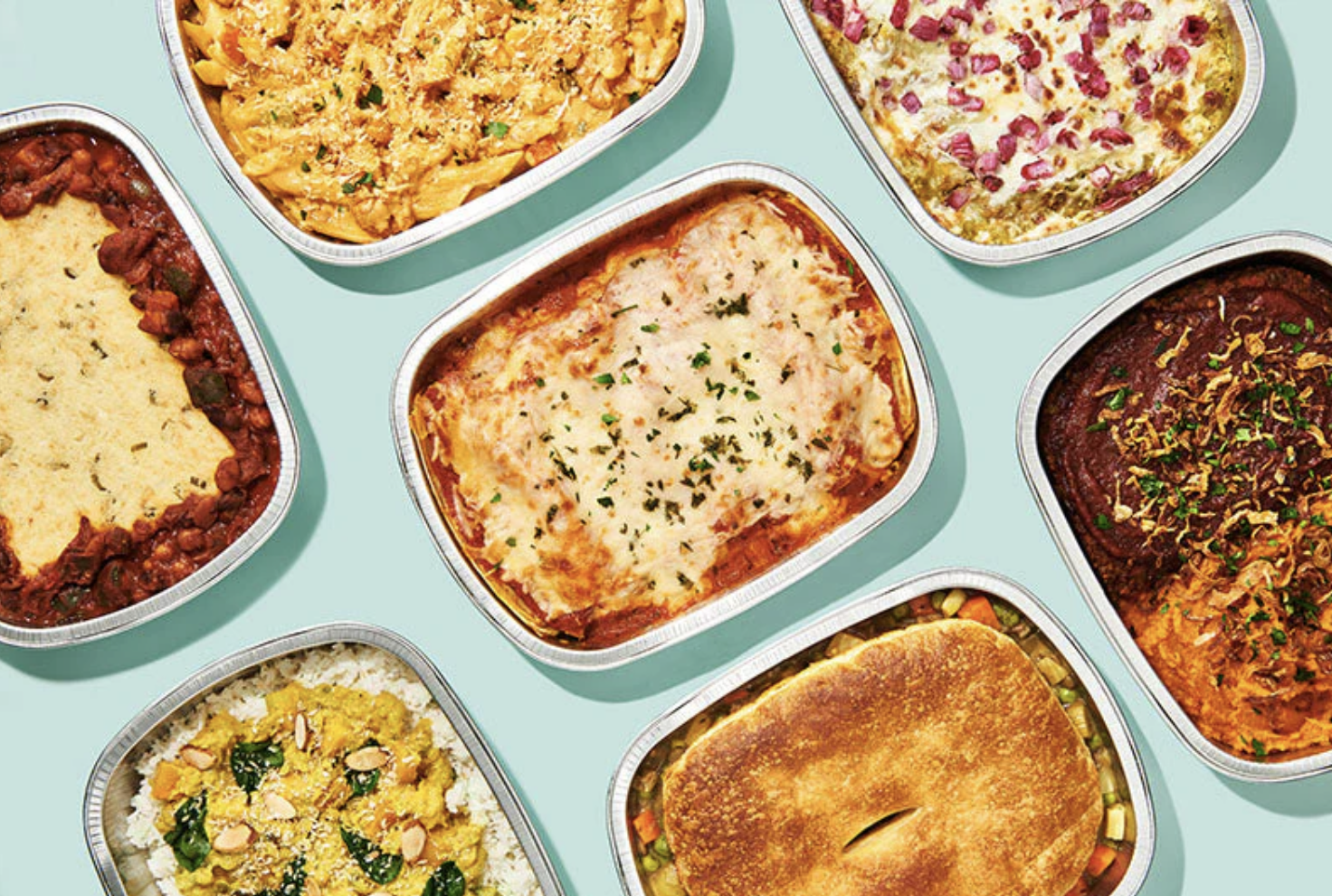
Photo: Mosaic Foods
Ready-to-Cook Meal Kits: These are the classic subscription boxes: pre-portioned ingredients plus step-by-step recipes delivered to your door. You still do the chopping and sautéing, but you skip the meal planning and grocery run.
Ready-to-Eat Meals: These services send fully prepared meals. You heat (when applicable), serve and eat. They remove nearly all friction, including cooking time, and are often focused on plant-based, gluten-free or other health-oriented options.
Both models aim to simplify dinner. The sustainability story, however, depends on how they’re designed.
Why Meal Kits Matter for You and the Planet
Food sits at the center of our daily lives. It fuels our health, shapes family routines and connects us to culture and community.
It also carries significant environmental weight. The global food system accounts for a large share of land use, freshwater consumption and greenhouse gas emissions, not to mention the enormous impact of food waste. What we eat and how it gets to our plate matters.
That’s where meal kits and meal delivery services enter the conversation.
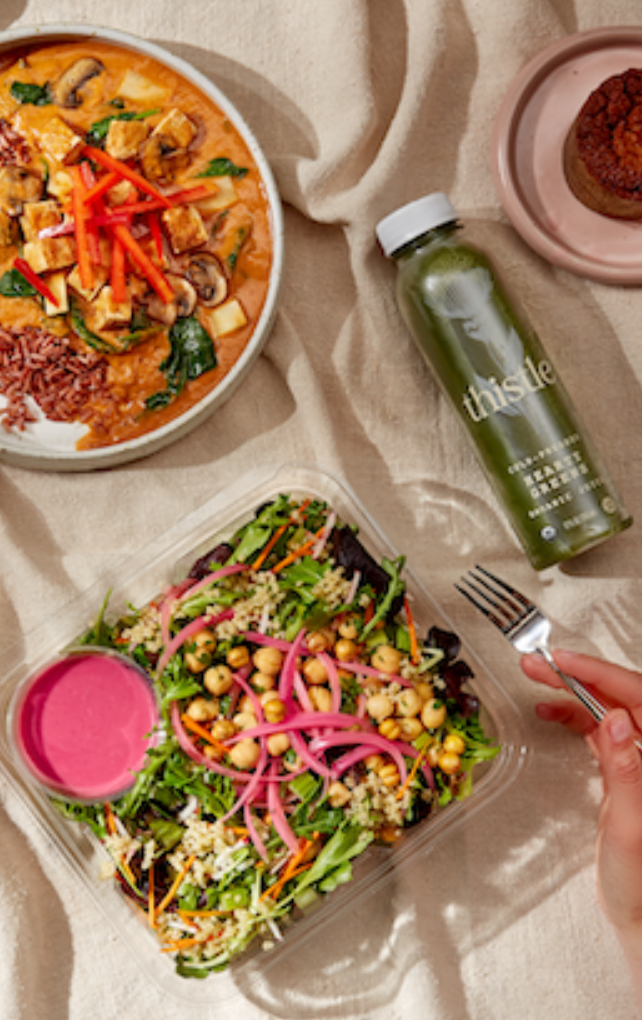
Photo: Thistle
Many brands are prioritizing better-for-you ingredients, offering organic produce, plant-forward menus and clearly labeled options that make healthier choices easier. Pre-portioned ingredients can also reduce overbuying and spoilage at home. When less food ends up in the trash, we avoid wasting the water, energy and emissions that went into producing it.
Meal kits can also lower the barrier to trying plant-based meals. When everything for a lentil shepherd’s pie or vegetable curry arrives measured and ready to cook, experimenting feels far more doable. For many households, convenience becomes a tool for positive behavior change.
That said, the model isn’t impact-free. Delivering fresh food relies on cold-chain logistics and protective packaging to maintain safety and freshness. Insulation materials, ice packs and transportation emissions all factor into the footprint.
The takeaway? Meal delivery isn’t automatically green. But when thoughtfully designed, it can support healthier eating, reduce food waste and make better-for-you, better-for-planet choices more accessible in everyday life.
What We Look For in Greener Meal Delivery
Not all services approach sustainability the same way.
When we spotlight meal delivery brands at Seeing Green, we look for companies that are actively improving the system — pairing convenience with intentional design.
Some of the factors that matter most:
Ingredient Sourcing: Organic or responsibly grown produce, strong plant-based offerings and supply chain transparency.
Food Waste Reduction: Pre-portioned meals and models that minimize spoilage.
Packaging & Materials: Recyclable, compostable or reduced-plastic components, plus clear guidance for disposal.
Operations & Logistics: Efforts to improve shipping efficiency and reduce overall footprint.
Real-World Fit: Meals that feel practical, satisfying and realistic for everyday life.
Perfection isn’t the standard. Progress is. Our goal is to help you see which brands are moving the category in a more thoughtful direction.
The Brands Making Mealtime “Better for You, Better for Planet”
Below, we’re spotlighting a group of meal delivery services we’ve previously featured as Seeing Green Solutionist of the Day honorees. Each takes a slightly different approach to building a better-for-you, better-for-planet food system, whether through plant-forward menus, thoughtful ingredient sourcing, reduced food waste, ready-to-eat convenience or reimagined grocery-style models designed to simplify everyday cooking.

Photo: Purple Carrot
Purple Carrot
Purple Carrot helped define the plant-based meal kit category with chef-driven recipes that make home cooking feel both creative and doable. Their meals are flavorful, satisfying and built around whole ingredients, making them a great gift for anyone who loves to cook but could use a little inspiration during busy weeks. For those looking to eat greener without overthinking it, Purple Carrot delivers on both taste and intention.
Online: www.purplecarrot.com
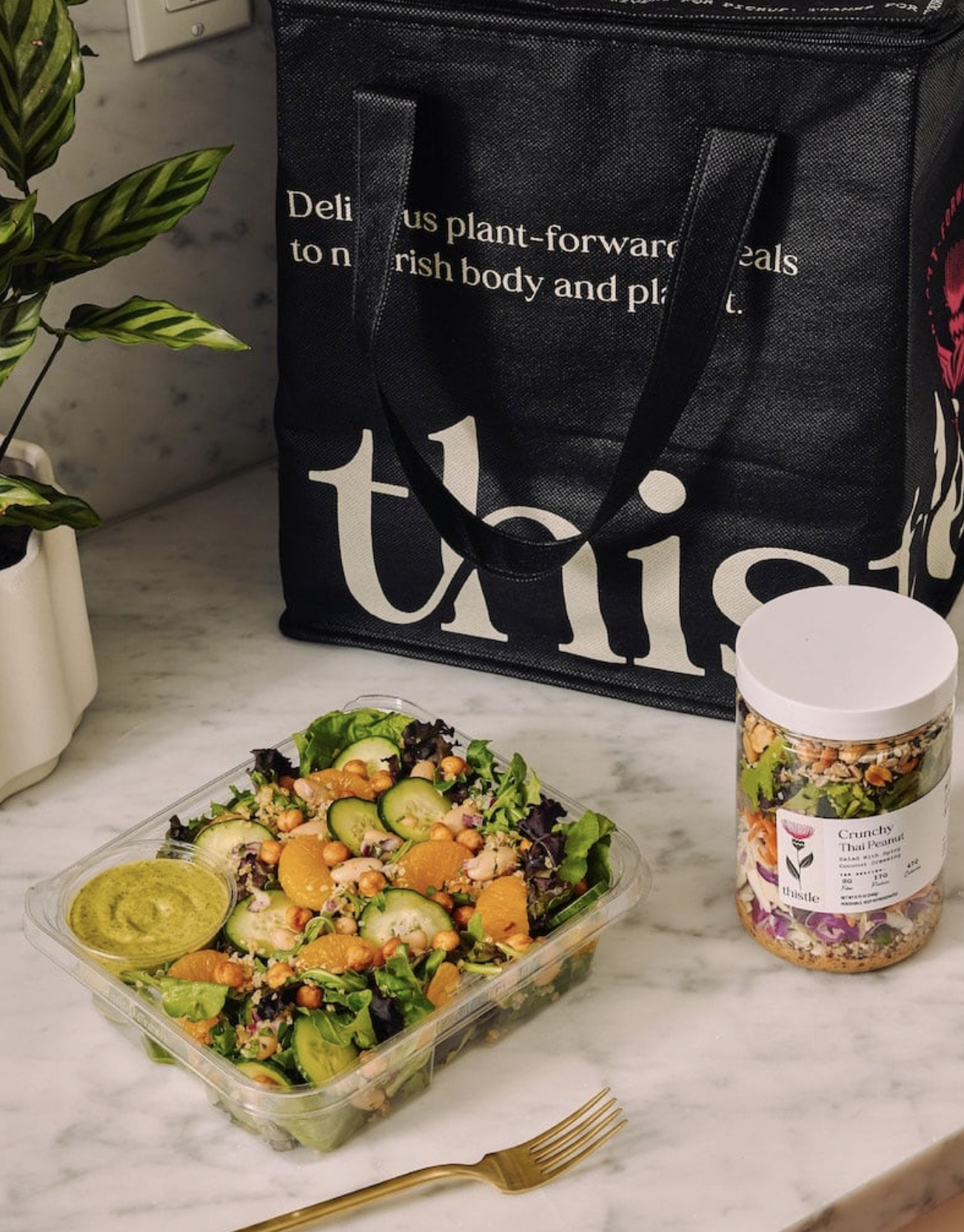
Photo: Thistle
Thistle
Thistle takes the stress out of healthy eating with fresh, ready-to-eat meals packed with vegetables, whole foods and bold flavors. Their nutrition-first approach means recipients get meals that are both convenient and genuinely nourishing. If you’re gifting to someone who’s juggling a lot and wants to feel better supported every day, Thistle is a thoughtful, high-impact choice.
Online: www.thistle.co
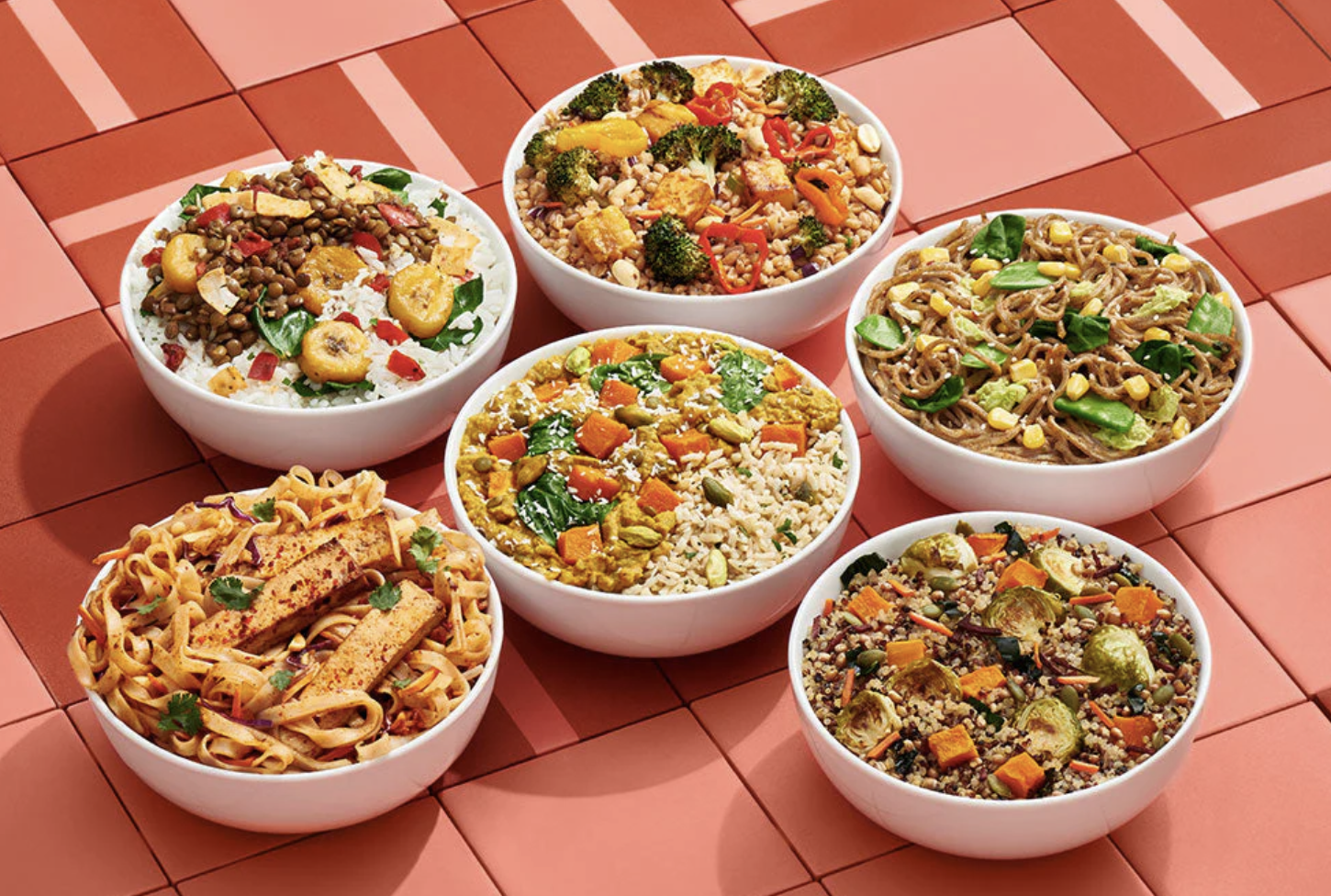
Photo: Mosaic Foods
Mosaic Foods
Mosaic Foods elevates frozen meals with plant-forward comfort dishes like hearty bowls, soups and pastas that taste like real home cooking. Their menu feels familiar but upgraded, making it perfect for someone who wants healthier options without sacrificing flavor. As a gift, Mosaic brings both practicality and joy — especially on those nights when dinner needs to be effortless.
Online: www.mosaicfoods.com

Photo: Daily Harvest
Daily Harvest
Daily Harvest is known for produce-forward smoothies, harvest bowls, flatbreads and snacks that make healthier eating intuitive and consistent. Everything is designed to go from freezer to table quickly, with ingredients selected for both flavor and function. It’s a great gift for anyone who wants to eat more plants, reduce mealtime decision fatigue and feel set up for a stronger new year.
Online: www.daily-harvest.com
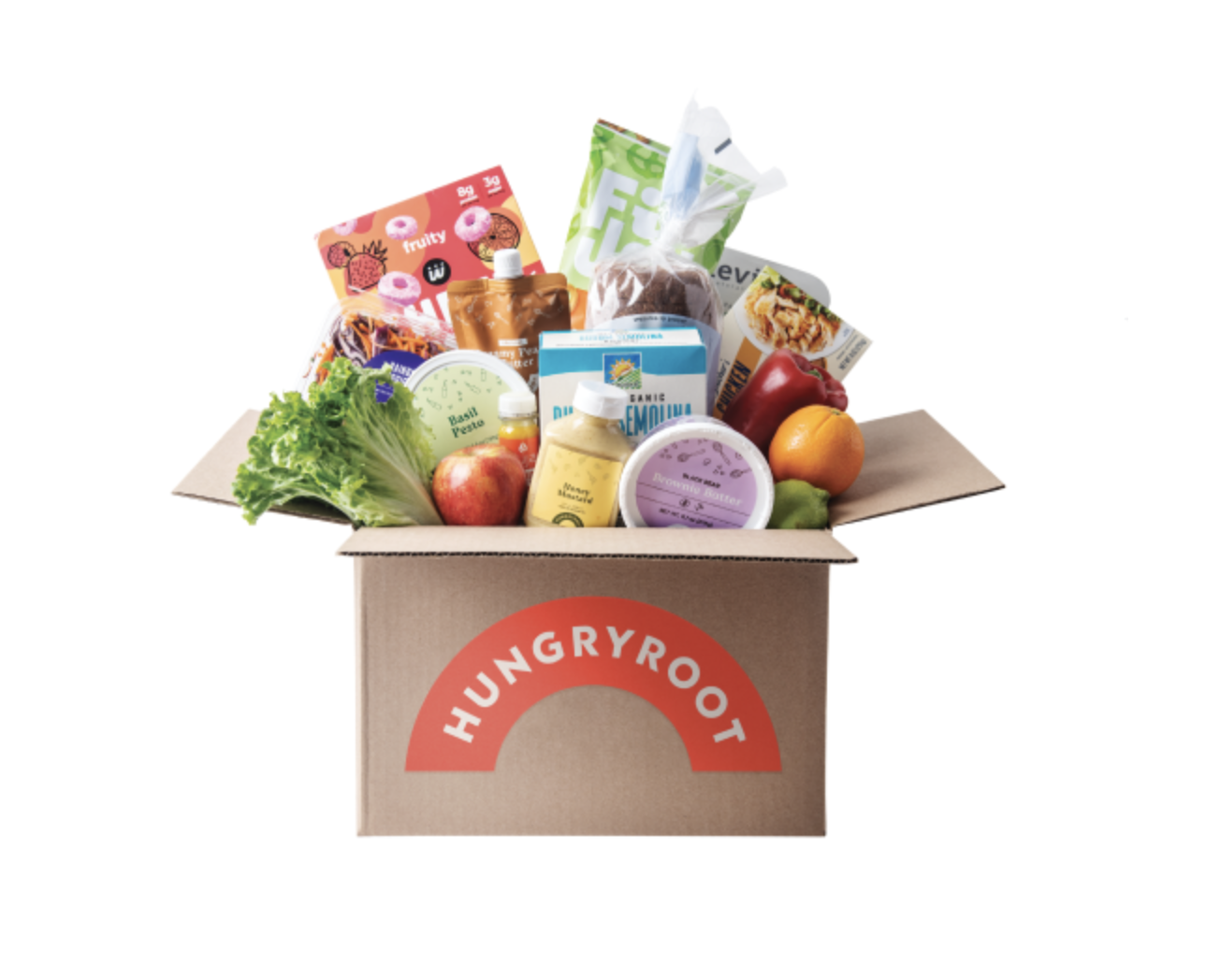
Photo: Hungryroot
Hungryroot
Hungryroot combines smart grocery delivery with personalized meal planning to make plant-forward eating easier and reduce food waste. By blending AI-driven recommendations with flexible, ingredient-forward options, Hungryroot helps simplify the weekly shop while nudging households toward better-for-you, better-for-planet choices. For anyone who wants the convenience of a meal kit with the freedom of a customizable grocery cart, Hungryroot offers a practical, modern approach to greener everyday cooking.
Online: www.hungryroot.com
Other Brands to Explore…
A few more of our favorite healthy, planet-friendly meal brands to explore this holiday season and beyond:
• FireRoad offers plant-forward meals, smoothies and bowls designed for active lifestyles, with a focus on whole ingredients and functional nutrition.
• Sakara delivers premium, plant-rich meal programs built around whole foods, functional ingredients and a holistic approach to wellness.
• Territory Foods provides chef-crafted, nutritionist-designed meals with strong plant-forward options and regionally sourced ingredients.
• Green Chef offers certified-organic meal kits with robust plant-powered recipes and sustainability-minded packaging.
• Sunbasket features organic-leaning meal kits and prepared meals with high-quality produce and lower-waste packaging.
• Splendid Spoon delivers ready-to-eat smoothies, grain bowls and soups designed to make plant-based eating simple, convenient and nourishing throughout the day.
Healthier, planet-friendly meals show how small choices can add up, whether you’re giving someone time back or simplifying your own week.