
Quinn’s Better-for-You Snacks Expand Reach with Sam’s Club Launch
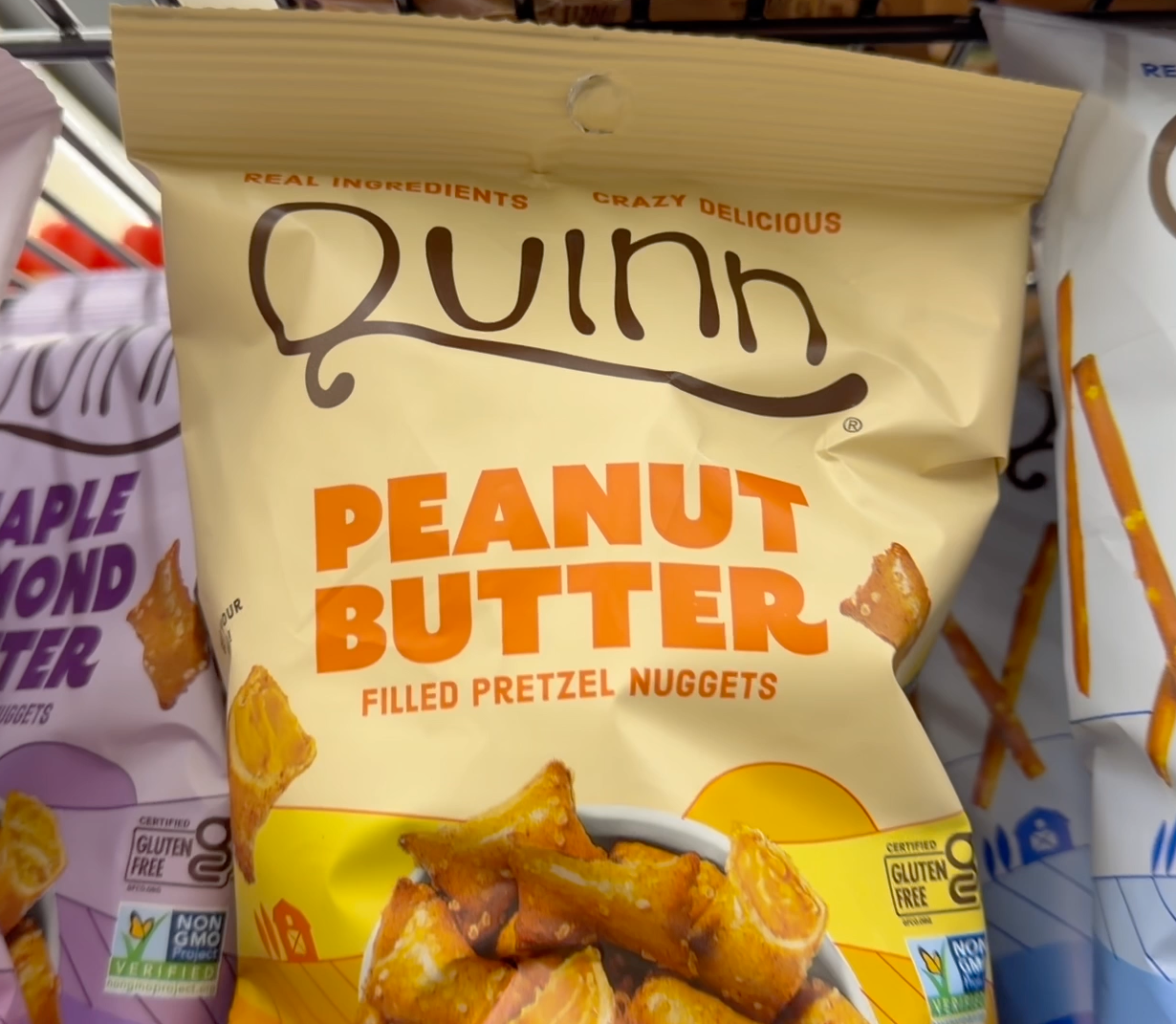
The Certified B Corp is bringing two of its filled pretzel varieties to Sam’s Club, another step in making snacks built around intentionally sourced ingredients easier to find.
Sometimes a more sustainable food system is about taking something as familiar as a pretzel, reconsidering how it’s made, and then getting that alternative onto the shelves where millions of people already shop.
That’s been part of the approach at Quinn, a Colorado-based snack company founded in 2010 with a focus on simpler ingredients, greater sourcing transparency and more responsible farming practices.
Now the brand is expanding its mainstream reach with its debut at Sam’s Club.

Photo: Quinn
Quinn’s Peanut Butter & Honey Filled Pretzel Sticks are arriving in select Sam’s Club stores around the country for a limited time, while its Maple Almond Butter Filled Pretzel Nuggets are available through Sam’s Club online. Both build on the company’s approach of taking familiar snack foods and reworking them around its ingredient and sourcing standards.
Rethinking a Familiar Snack
Seeing Green caught up with Quinn earlier this year at the Sweets & Snacks Expo, where the company talked with us about what goes into making a “better-for-you” pretzel — and why it pays so much attention to what goes into the ingredient deck.
Quinn is a Certified B Corporation and has built much of its identity around questioning conventional food-industry practices, from ingredient sourcing to farming methods. The company says it introduced the first whole-grain gluten-free pretzel and the first filled pretzel nuggets to use regenerative farming methods, while working with regenerative farmers on many of the ingredients it sources.
(story continues below)
But there’s another important piece to the company’s approach: the snack still has to taste good. Quinn puts flavor at the center of its product development, keeping the end result recognizable, craveable and something people actually want to eat.
That’s where broader distribution matters.
For purpose-driven brands, better ingredients and farming practices can only have so much impact if their products remain confined to specialty stores or a relatively small group of already-engaged consumers. Moving into a retailer like Sam’s Club puts those choices in front of a much broader audience — including plenty of shoppers who may not have gone looking specifically for a “sustainable” snack in the first place.
And that feels very Seeing Green.