
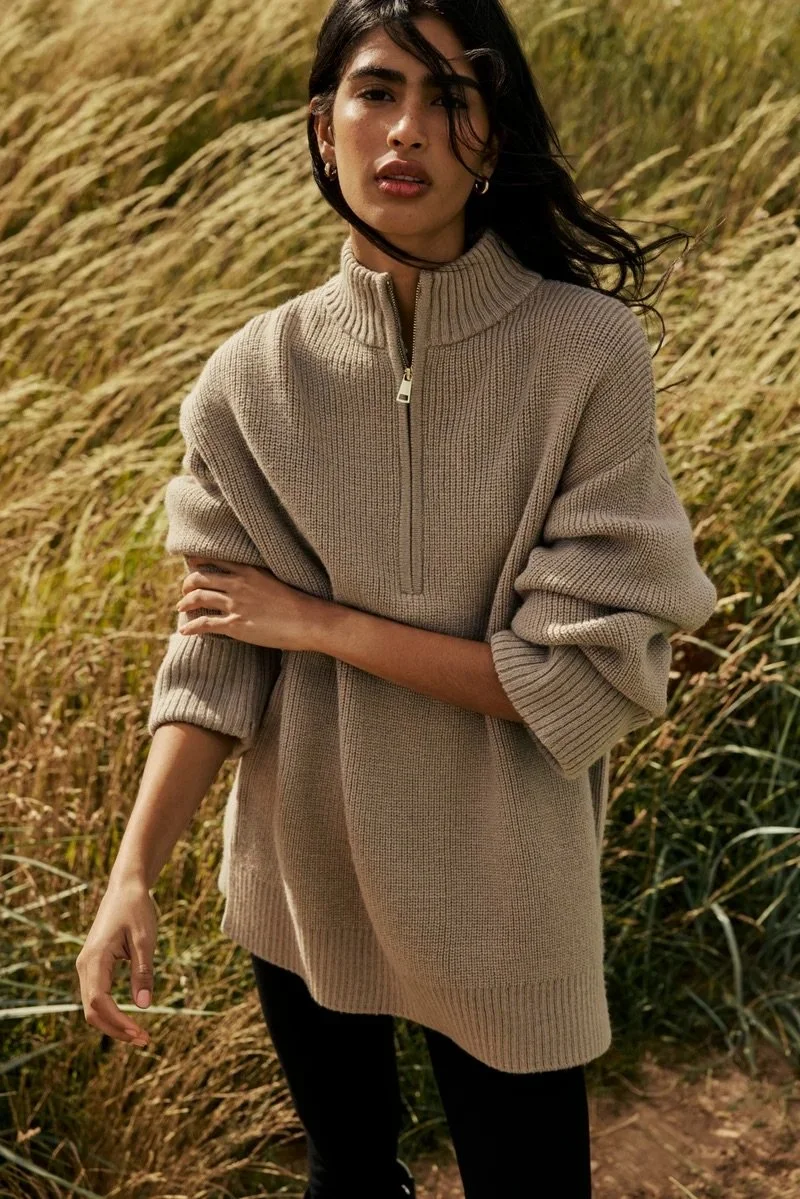
Photo: Nobody’s Child
From effortlessly wearable dresses and everyday essentials to rental, resale and a closer look at where clothes come from, this London-based fashion brand is bringing a more thoughtful approach to getting dressed.
A great dress can take you places. To work, out to dinner, away for the weekend or just about anywhere the day happens to lead.
But what if that dress could do a little more? What if you could rent it for a special occasion, repair it when needed, pass it along to another wardrobe or even learn more about the materials and people behind it?
That's part of the thinking at Nobody's Child, a London-based womenswear brand combining contemporary style with a growing commitment to making fashion more responsible.
Known for its flattering dresses, playful prints, relaxed separates and easy-to-wear collections, Nobody's Child is building a fashion business around a simple idea: looking good and making more thoughtful choices shouldn't have to be mutually exclusive.
Style for Wherever Life Takes You
Founded in London in 2015 by retail entrepreneur Andrew Xeni, Nobody's Child has grown from a young fashion label into a recognizable name across the UK and beyond.
Its collections are designed for real life, with pieces that can move between occasions and seasons rather than sitting in the closet waiting for the perfect moment.
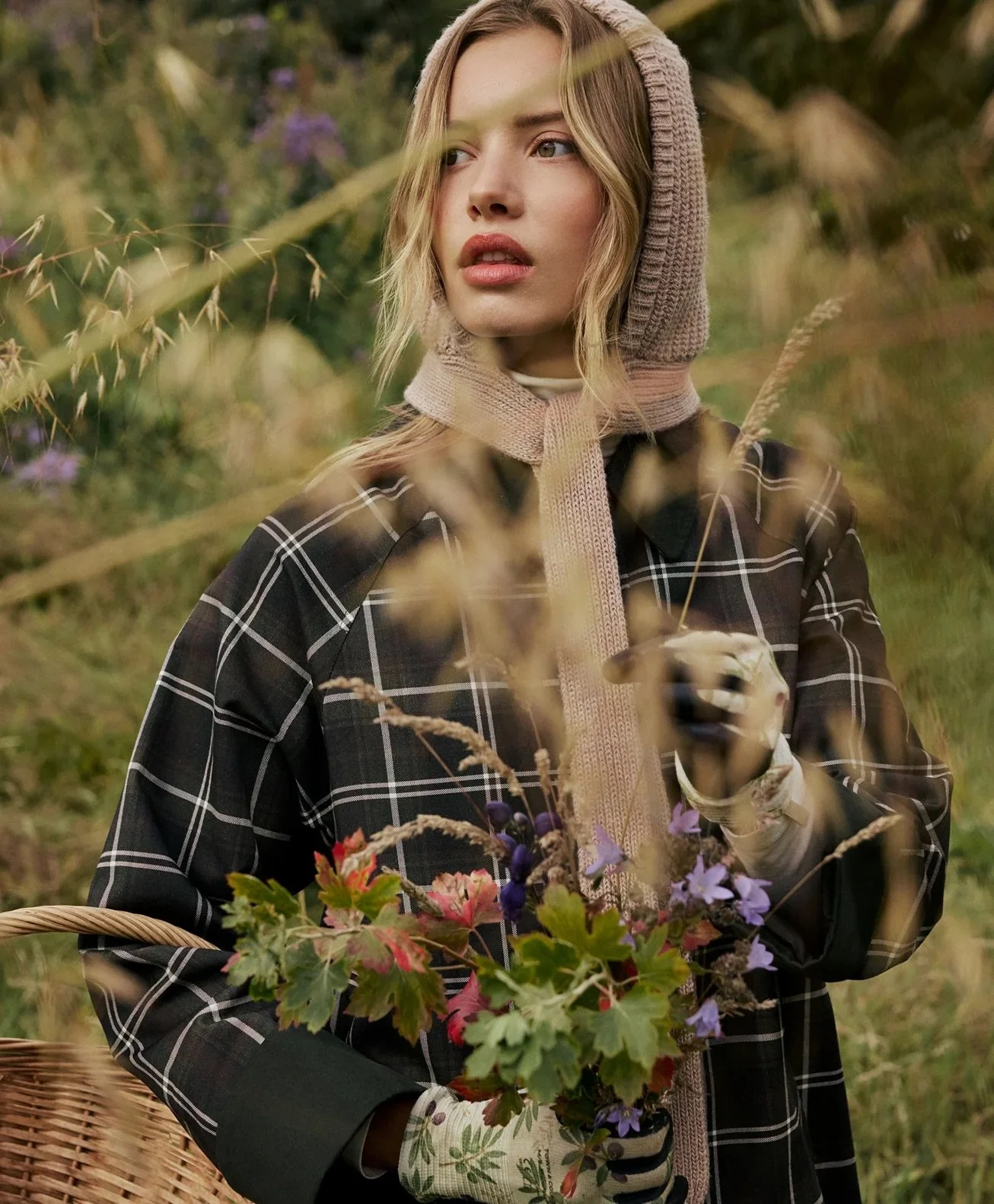
Photo: Nobody’s Child
Think flowing midi dresses, colorful prints, cozy knitwear, everyday denim and versatile separates that can be dressed up or down. There are also more polished styles for weddings, celebrations and those occasions when everyday clothes just won't do.
The overall aesthetic is feminine, contemporary and approachable, with an emphasis on flattering silhouettes and pieces customers will want to reach for again.
And it's reaching a growing audience. Nobody's Child sells through its own website and UK stores, alongside retail partners including Marks & Spencer, John Lewis, ASOS and Nordstrom. The company reported a customer base of 1.2 million in its latest impact report.
But behind the collections, Nobody's Child is also experimenting with ways to change what happens before and after a garment enters someone's wardrobe.
(story continues below)
Discover the Collection
From everyday essentials to occasion-ready dresses, explore a few pieces that caught our eye at Seeing Green.
Seeing Green may earn a commission from purchases made through these links.
A Wardrobe With More Than One Life
One of the more interesting things about Nobody's Child is that buying something new isn't necessarily the only way to wear it.
Through a partnership with Zoa, customers can rent selected pieces directly through the brand's website. It's a useful alternative for weddings, parties and special occasions when purchasing an outfit that might only be worn once isn't especially appealing.
And when an item needs a little attention, Nobody's Child works with clothing repair specialist SOJO to help customers keep their favorite pieces in rotation longer.
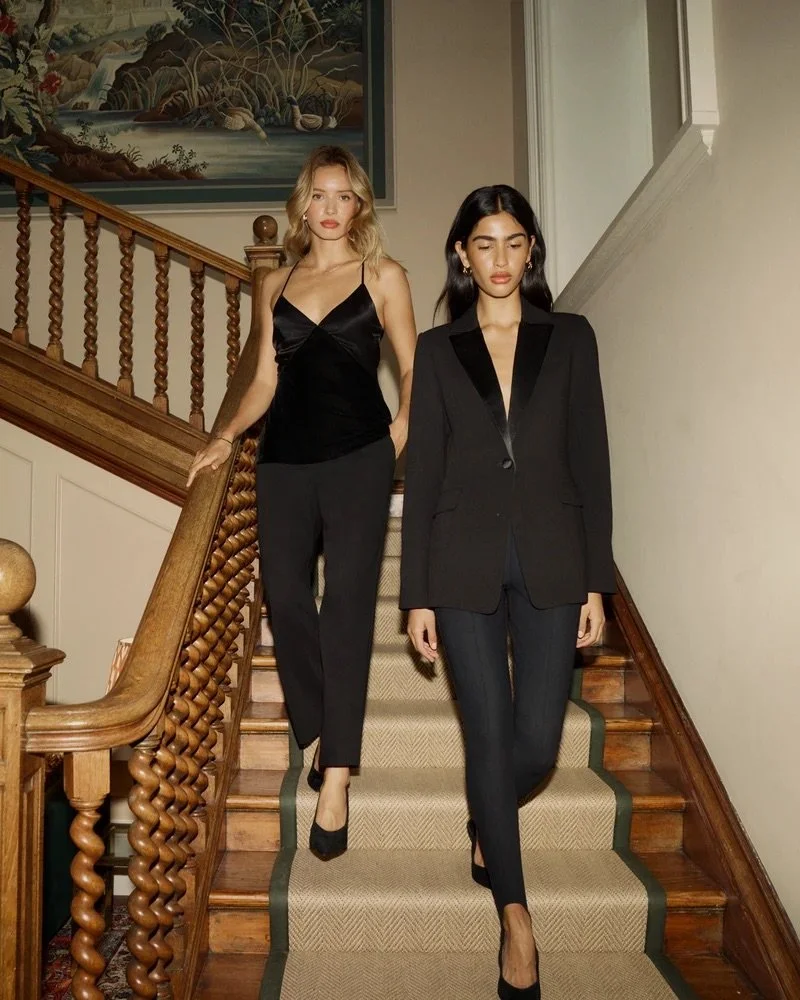
Photo: Nobody’s Child
The brand also partners with Reskinned to give pre-loved clothing another chance.
Customers can return eligible Nobody's Child garments through a takeback program, while other shoppers can discover previously owned pieces ready for another wardrobe.
In its FY26 Impact Report, the company reported that 391 garments were returned through Reskinned during the year, with 315 successfully resold. Its rental partnership also recorded more than 6,500 days of garment use.
Those are still relatively modest numbers for a growing fashion business, but they represent something important: an effort to make renting, repairing and reselling clothing part of the normal shopping experience.
And that's a welcome idea in an industry where the next new thing often gets far more attention than the clothes we already own.
There's More to the Story Behind the Label
For most shoppers, a clothing label offers a handful of details: size, fabric composition and washing instructions.
Nobody's Child wants to provide a little more.
The brand has been rolling out Digital Product Passports, giving customers access to additional information about the clothing they purchase.
Beginning with its Autumn/Winter 2025 collections, the passports have been introduced across its clothing range, with more than 2,700 designs covered during FY26.
The goal is to make the journey behind a garment more visible, including information about materials, sourcing and environmental impact.
It's the kind of transparency that could eventually make shopping for clothes feel a little different. Rather than relying entirely on broad claims about sustainability, consumers can start to explore more of the details behind individual pieces.
And Nobody's Child isn't keeping everything it learns to itself. In 2026, the brand collaborated with several industry organizations to publish a Digital Product Passport playbook, sharing practical lessons from its experience with other fashion businesses.
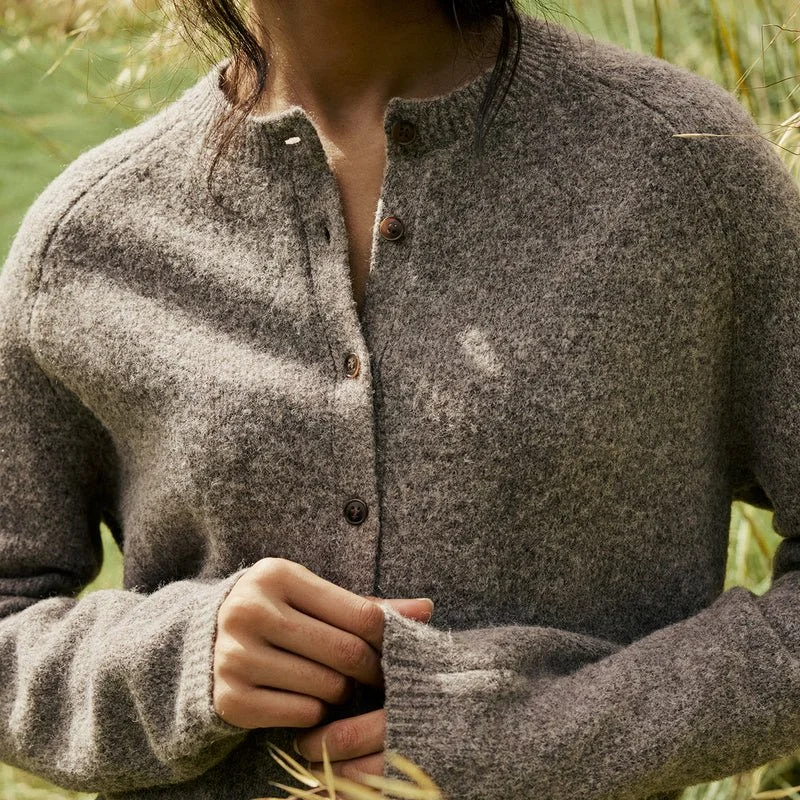
Photo: Nobody’s Child
Rethinking What Goes Into the Clothes
Of course, extending a garment's life is only part of the picture. What goes into making it matters, too.
Nobody's Child has been increasing its use of materials selected for improved environmental or sourcing characteristics, including organic cotton, recycled fibers and alternatives such as LENZING ECOVERO viscose and TENCEL Lyocell.
Its latest report says 96.9% of materials by weight fell within the company's preferred sourcing categories, based on its own materials assessment system.
One particularly interesting initiative involves looking all the way back to the cotton field.
Working with Materra, Nobody's Child has been exploring cotton grown through regenerative farming practices in India. The partnership supports farmers adopting approaches such as crop diversification, reduced tillage and other methods intended to improve soil health and agricultural resilience.
The collaboration has also made its way into actual clothing, including the brand's Amana dress, which was showcased at Future Fabrics Expo.
It's a tangible example of how decisions made long before a garment reaches the design studio can become part of the story behind what we wear.
Progress, Not Perfection
Nobody's Child isn't presenting itself as a fashion company that has solved sustainability.
And that's important, because the environmental and social challenges of making clothing at scale are significant.
The company became a Certified B Corporation in November 2025, earning an impact score of 100.6. It has also received Living Wage Foundation accreditation for its own UK workforce.
But its latest impact report acknowledges areas where substantial work remains.
These are reminders that making fashion more responsible involves much more than selecting better fabrics or introducing a resale program.
What makes Nobody's Child worth watching is its willingness to tackle several parts of that challenge, from sourcing and supply chain transparency to extending the useful life of the clothes themselves.

Photo: Nobody’s Child
Getting Dressed, a Little Differently
Ten years after launching, Nobody's Child has grown into a fashion brand with an expanding retail presence, a recognizable style and plenty of reasons for shoppers to take a closer look.
There's the everyday appeal of colorful dresses, comfortable knitwear and versatile wardrobe staples.
But there's also the opportunity to rent a special-occasion outfit, shop pre-loved pieces, repair something worth keeping or discover more about how a garment was made.
None of those ideas requires giving up the fun of fashion. If anything, they offer more ways to enjoy it.
And that's perhaps the most interesting part of the Nobody's Child story: a growing fashion label working to make better choices a more natural part of getting dressed.